



Is It Safe to Get Dental Treatment in Thailand? — 9 Reassuring Facts International Patients Should Know
Is it safe to get dental treatment in Thailand? For many international patients, this question comes long before treatment plans, pricing comparisons, or travel arrangements.
It often begins quietly.
A traveler researching veneers late at night. A patient comparing implant costs after receiving a high quote at home. An expat wondering whether a routine dental procedure abroad will feel unfamiliar or risky.
Behind all of those situations is the same concern:
Can I trust the system?
Thailand has gradually become one of the world’s most recognized destinations for dental tourism. Travelers seeking a broader overview of the country’s international dental care landscape may also appreciate our dental treatment in Thailand guide. Today, many international travelers researching Is it safe to get dental treatment in Thailand? are often surprised by how advanced and internationally connected reputable clinics have become. Yet the country’s reputation was not built on lower pricing alone. It was built through decades of medical tourism infrastructure, international patient care, structured licensing systems, and modern private healthcare investment.
Today, many reputable dental clinics in Bangkok, Phuket, Chiang Mai, and other major cities operate with sterilization systems, digital technology, and patient communication standards that feel highly familiar to travelers from Australia, Europe, the Middle East, Singapore, and North America.
Still, caution is healthy.
Dental care is healthcare. And healthcare decisions deserve calm, informed understanding — not marketing promises.
In this research-aware guide, we will gently explore what safety actually means in modern dentistry, how reputable Thai clinics approach infection control and patient care, and what international patients should realistically expect before booking treatment.
Contents Overview
- Why Safety Questions About Dental Treatment Matter
- Is It Safe to Get Dental Treatment in Thailand? Understanding Thailand’s Dental Regulation System
- Is It Safe to Get Dental Treatment in Thailand? Modern Sterilization Standards Explained
- Is It Safe to Get Dental Treatment in Thailand? The Role of International Accreditation
- Thailand’s Dental Tourism Infrastructure Is Highly Established
- Is It Safe to Get Dental Treatment in Thailand? Understanding Infection Risk in Modern Dentistry
- Thai Dental Education Is Competitive and Internationally Connected
- Advanced Technology Helps Improve Precision and Safety
- Lower Costs Do Not Automatically Mean Lower Standards
- International Patients Can Verify Safety Before Booking
- What International Patients Often Notice First
- Who Should — and Should Not — Travel for Dental Care
- A Gentle Safety Checklist Before Booking
- Final Thoughts: Confidence Through Clarity
- Trusted Wellness Perspectives
- Continue Your Wellness Journey
Why Safety Questions About Dental Treatment Matter
When international patients search for answers about Is it safe to get dental treatment in Thailand?, they are usually thinking about several deeper concerns at once:
- Infection control
- Hygiene standards
- Dentist qualifications
- Emergency preparedness
- Communication clarity
- Medical accountability
These concerns are completely reasonable.
Unlike choosing a hotel or wellness retreat, dental treatment involves direct clinical care. Patients want reassurance that sterilization systems are reliable, that procedures follow recognized protocols, and that complications — if they occur — can be handled professionally.
According to guidance from the World Health Organization (WHO), infection prevention and patient safety systems are essential foundations of healthcare quality worldwide.
Similarly, the National Institutes of Health (NIH) and multiple international healthcare organizations continue to emphasize that modern dentistry is generally considered safe when proper sterilization and cross-contamination protocols are consistently followed.
In other words, safety is not determined by geography alone.
It is determined by systems, oversight, training, and transparency.
And this distinction matters.
Is It Safe to Get Dental Treatment in Thailand? Understanding Thailand’s Dental Regulation System
One reason many international patients feel reassured after researching Thailand’s healthcare system is that dental professionals are regulated through formal licensing structures.
All practicing dentists in Thailand must be licensed through the Thai Dental Council under the Ministry of Public Health.
This process involves:
- Accredited university education
- Clinical training requirements
- National board examinations
- Professional registration
- Ongoing regulatory oversight
Dentists cannot legally practice without registration.
For many travelers, this is an important distinction because it demonstrates that modern dental care in Thailand operates within a structured healthcare framework rather than an informal tourism industry.
Larger clinics and hospital-based dental centers often go further by highlighting:
- International training backgrounds
- Specialist certifications
- Continuing education programs
- Implant or cosmetic dentistry credentials
Patients researching complex procedures may also appreciate our Dental Implants Thailand Cost guide, which explores treatment planning, timelines, and recovery considerations in more detail.

Is It Safe to Get Dental Treatment in Thailand? Modern Sterilization Standards Explained
For most international patients, sterilization and infection control are the biggest sources of anxiety when asking Is it safe to get dental treatment in Thailand.
This is understandable.
Yet in many modern private clinics across Bangkok and major tourist destinations, sterilization systems closely resemble those used in contemporary clinics internationally.
Safe dental clinics typically use:
- High-pressure steam autoclaves
- Sterilized instrument packaging systems
- Surface disinfection between patients
- Disposable barriers and protective equipment
- Digital imaging systems with reduced handling
According to multiple well-documented healthcare perspectives from Harvard Health Publishing and the Cleveland Clinic, structured sterilization systems dramatically reduce transmission risk in clinical environments.
Many international patients are surprised by how modern larger Bangkok dental clinics feel.
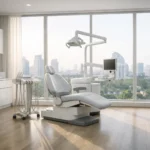
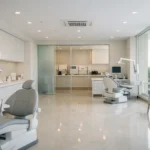
Consultation rooms are often quiet, digitally integrated, and highly organized. In reputable facilities, sterilization rooms may even be partially visible to patients — a transparency practice that quietly reinforces confidence.
Patients comparing providers may also find our best dental clinics in Bangkok guide helpful when evaluating internationally oriented clinics.
Is It Safe to Get Dental Treatment in Thailand? The Role of International Accreditation
Another reassuring factor is that some dental departments in Thailand operate within internationally accredited hospitals.
Several major private hospitals in Thailand hold accreditation from Joint Commission International (JCI), one of the world’s most recognized healthcare accreditation organizations.
JCI evaluates systems related to:
- Infection prevention
- Emergency preparedness
- Medication safety
- Documentation standards
- Patient communication
- Clinical oversight
For patients undergoing surgical dental procedures, sedation-based treatments, or implant surgeries, this additional layer of institutional oversight can feel particularly reassuring.
This does not mean every clinic in Thailand holds international accreditation.
However, it does demonstrate that Thailand’s healthcare infrastructure includes facilities operating within globally recognized safety frameworks.
Thailand’s Dental Tourism Infrastructure Is Highly Established
Thailand’s dental tourism industry did not appear overnight.
Over the past two decades, the country has steadily evolved into one of Asia’s most established medical travel destinations.
International patients now regularly visit Thailand not only for dentistry, but also for:
- Orthopedic procedures
- Cosmetic surgery
- Preventive health check-ups
- Regenerative medicine programs
- Wellness recovery experiences
This larger medical tourism ecosystem supports dental care in important ways.
Many clinics are already accustomed to serving international patients and therefore provide:
- English-speaking staff
- Digital consultation systems
- Transparent treatment planning
- Coordinated appointment scheduling
- Recovery guidance for travelers
Travelers exploring broader healthcare options may also appreciate our Health Check Up Thailand guide for additional insight into Thailand’s international medical infrastructure.
Is It Safe to Get Dental Treatment in Thailand? Understanding Infection Risk in Modern Dentistry
A common fear behind the question Is it safe to get dental treatment in Thailand? is the possibility of infection. This concern is understandable, particularly for travelers considering implants, oral surgery, veneers, or restorative procedures abroad.
Current clinical literature consistently suggests that modern dental procedures carry very low infection risk when sterilization protocols are followed correctly.
Research perspectives referenced through the National Institutes of Health (NIH) continue to reinforce that cross-contamination risk in dentistry is significantly minimized through structured sterilization systems and universal precautions.
Dental instruments used in reputable clinics are typically sterilized at temperatures designed to eliminate bacteria, viruses, and other pathogens.
Additionally, modern clinics increasingly use:
- Digital impressions
- Reduced-contact workflows
- Disposable protective materials
- Air filtration systems in some environments
For many patients, reassurance comes not only from technology itself, but from observing how calmly and systematically clinics operate.
Professional dental environments tend to feel structured rather than rushed.
And that atmosphere matters psychologically.
Thai Dental Education Is Competitive and Internationally Connected
Thailand’s dental education system is more rigorous than many travelers initially assume.
Dentists typically complete:
- Six-year university dental programs
- Clinical training requirements
- Competency examinations
- Licensing procedures through the Thai Dental Council
Many specialists also pursue additional international education or advanced training abroad.
Countries commonly associated with continuing education pathways include:
- United States
- United Kingdom
- Germany
- Japan
- South Korea
This international exposure often helps align cosmetic, implant, and restorative dentistry techniques with broader international expectations.
Patients seeking communication familiarity or internationally trained professionals may also enjoy reading our foreign dentist in Thailand guide.
Advanced Technology Helps Improve Precision and Safety
Modern dental technology does not automatically guarantee quality.
However, it can improve consistency, efficiency, and treatment precision when used appropriately.
In larger urban clinics, patients will commonly encounter:
- Digital X-rays
- 3D cone beam CT imaging
- CAD/CAM same-day crown systems
- Intraoral scanners
- Laser-assisted dental procedures
These technologies help dentists visualize structures more accurately and often reduce treatment time.
Digital imaging may also reduce radiation exposure compared to older systems.
For international patients, another subtle benefit is communication clarity.
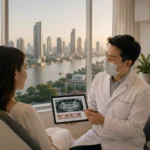
Modern scans and imaging systems make treatment explanations easier to understand visually — especially when discussing implants, veneers, bite alignment, or restorative work.
This can help patients feel more informed and less anxious during consultations.
Lower Costs Do Not Automatically Mean Lower Standards
One of the biggest misconceptions surrounding dental tourism is the assumption that lower pricing must reflect lower quality. In reality, many patients asking Is it safe to get dental treatment in Thailand are often comparing different healthcare economics rather than dramatically different safety systems.
In reality, healthcare pricing differences are influenced by many structural factors, including:
- Labor costs
- Currency differences
- Operational overhead
- Insurance systems
- National healthcare economics
Thailand’s lower treatment costs do not automatically indicate lower sterilization standards or weaker clinical systems.
In many cases, patients are comparing:
- Private dental care abroad vs.
- High-cost private systems at home
rather than comparing radically different clinical standards.
That said, quality can vary between clinics.
This is true in every country.
Choosing reputable providers remains essential regardless of destination.
Travelers comparing value, treatment pacing, and overall patient experience may also find our Dental Treatment Thailand Vs Home Country guide useful.

International Patients Can Verify Safety Before Booking
One of the most reassuring realities of modern dental tourism is that patients can verify many important details before committing to treatment.
A reputable clinic should be willing to answer questions clearly and professionally.
Patients can reasonably ask about:
- Dentist credentials
- Sterilization systems
- Emergency protocols
- Implant brands or materials
- Consultation procedures
- Recovery expectations
You can also review:
- Hospital affiliations
- International patient testimonials
- Before-and-after documentation
- Years of operation
- Communication responsiveness
In many cases, the consultation process itself reveals a great deal about professionalism.
Clinics that communicate calmly, explain treatment clearly, and avoid aggressive sales pressure often create stronger trust signals than those focused heavily on marketing.
What International Patients Often Notice First
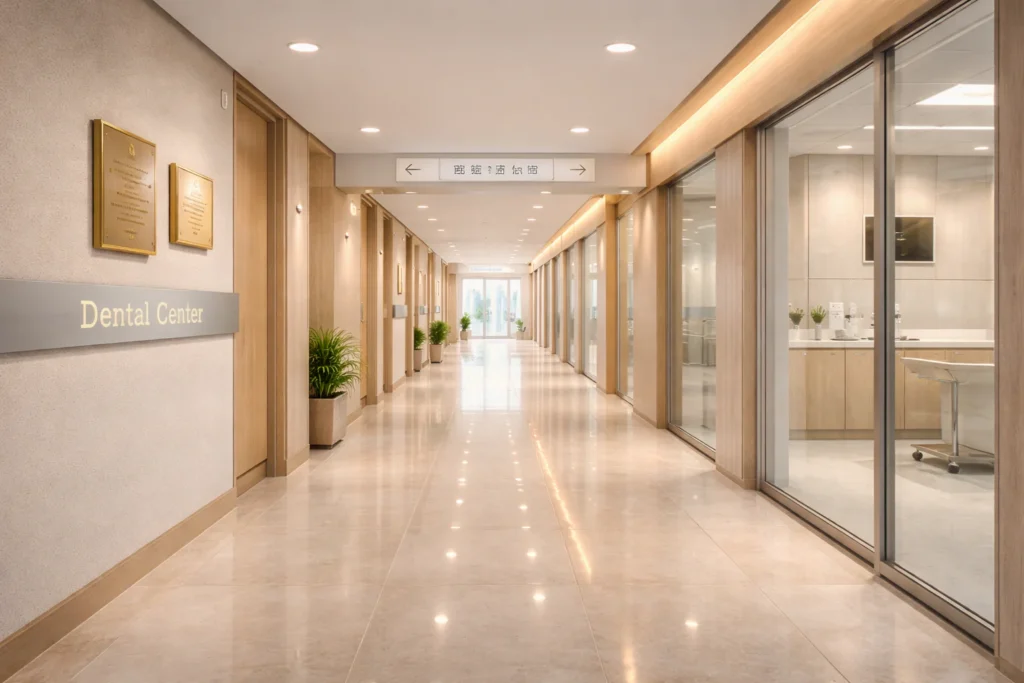
Interestingly, many international patients describe the emotional experience of Thai dental clinics differently than they initially expected.
Instead of chaotic or overly clinical environments, larger modern clinics often feel:
- Quiet
- Organized
- Hospitality-oriented
- Digitally structured
- Calmly paced
Some reception areas resemble boutique wellness lounges more than traditional medical waiting rooms.
This atmosphere does not replace clinical quality.
But it does influence how safe and supported patients feel.
For anxious dental patients especially, environment matters.
Soft lighting, clear explanations, multilingual coordinators, and unhurried consultations can significantly reduce emotional stress during treatment.
This combination of healthcare structure and hospitality culture is part of what has helped Thailand become internationally recognized for medical travel.
Who Should — and Should Not — Travel for Dental Care
While many people travel successfully for dental treatment, medical travel is not ideal for every situation.
You may be a strong candidate for dental treatment abroad if:
- You are medically stable
- You understand treatment timelines
- You can remain in Thailand long enough for recovery
- Your procedure does not require highly complex long-term monitoring
You may want to reconsider or seek additional medical guidance if:
- You have uncontrolled chronic health conditions
- You require extensive surgical follow-up
- You cannot return for adjustments if necessary
- Your treatment requires intensive long-term continuity of care
Good dental care is not only about procedure quality.
It is also about choosing the right timing, clinic, and treatment structure for your individual situation.
A Gentle Safety Checklist Before Booking
Before booking treatment, consider taking a calm, structured approach.
✔ Verify dentist qualifications and licensing
✔ Ask about sterilization systems
✔ Confirm communication clarity before arrival
✔ Review consultation transparency
✔ Understand recovery timelines
✔ Ask about emergency protocols
✔ Read recent patient reviews carefully
✔ Avoid clinics using aggressive pressure tactics
These small steps can transform uncertainty into informed confidence.

Final Thoughts: Confidence Through Clarity
So — Is It Safe to Get Dental Treatment in Thailand?
For reputable, licensed, professionally operated clinics in major cities, the answer can often be yes.
Thailand’s healthcare infrastructure, modern private clinics, international patient experience, and structured licensing systems have helped establish the country as one of the world’s leading dental tourism destinations.
But informed confidence matters more than assumptions.
The safest approach is not blind trust.
It is thoughtful preparation.
Ask questions. Verify credentials. Understand your treatment plan. Choose clinics that communicate clearly and professionally.
Because ultimately, safety is not created by marketing.
It is created by systems, transparency, professionalism, and patient awareness.
And when those elements align, dental treatment abroad can feel far less intimidating than many travelers initially imagine. For patients researching Is it safe to get dental treatment in Thailand, understanding these systems often transforms uncertainty into reassurance.
Trusted Wellness Perspectives
Several established healthcare and wellness organizations continue to emphasize the importance of infection prevention, patient safety, and structured clinical standards in modern dentistry. Perspectives from the World Health Organization (WHO), National Institutes of Health (NIH), Harvard Health Publishing, Cleveland Clinic, and Joint Commission International (JCI) collectively reinforce the role of sterilization systems, professional oversight, and evidence-informed patient care in supporting safer dental treatment experiences worldwide.
Readers seeking deeper perspectives may also explore these organizations directly for broader healthcare, dental safety, and international patient care guidance.
Continue Your Wellness Journey
- Dental Treatment in Thailand — A Gentle, Trusted Guide for International Patients (2026)
- Dental Implants Thailand Cost — A Gentle, Trusted Guide for International Patients (2026)
- Best Dental Clinics in Bangkok (2026) — Safe, Reputable Options for International Patients
- Foreign Dentist in Thailand — A Gentle, Trusted Guide for International Patients (2026)
- Dental Treatment Thailand Vs Home Country — Cost & Quality Comparison (2026)