





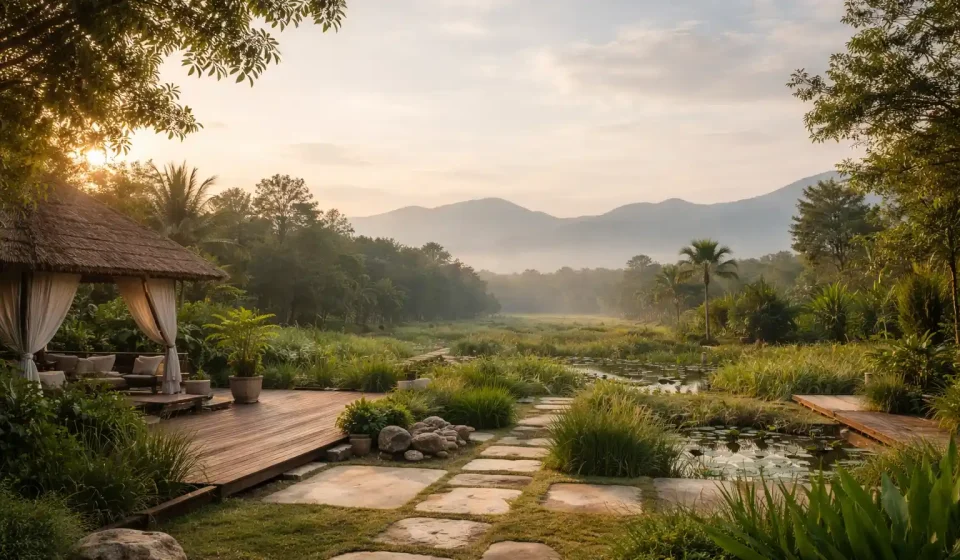
Breathwork Retreat Thailand: A Gentle Path to Emotional Release
A Breathwork Retreat Thailand experience is not about pushing the body or forcing emotional breakthroughs. Instead, it invites you into a slower rhythm—where breath becomes a bridge between body and mind, and awareness replaces effort.
In Thailand’s calm retreat environments—surrounded by nature, warm air, and spacious silence—breathwork is practiced as a supportive, guided process. Many travelers arrive feeling mentally overloaded, emotionally tight, or disconnected from their own inner signals. Breathwork retreats create the conditions for release without pressure.
Rather than “fixing” something, these retreats focus on allowing the nervous system to reset naturally.
Contents Overview
- What Is Breathwork, Really?
- Why Thailand Is Ideal for Breathwork Retreats
- What Happens During a Breathwork Retreat Thailand Experience?
- Arrival & Grounding
- Guided Breathwork Sessions
- Integration Time
- Supportive Practices
- Emotional Benefits Guests Often Experience
- Who Is a Breathwork Retreat Thailand Best For?
- Breathwork Retreat vs Meditation or Healing Retreat
- Choosing the Right Breathwork Retreat Thailand
- A Note on Safety and Self-Listening
- Helpful Wellness References
- Explore More on Sook Sphere
What Is Breathwork, Really?
Breathwork refers to intentional breathing practices designed to influence the nervous system, emotional regulation, and mind–body awareness. Depending on the style, breathwork may be slow and grounding or more expressive and cathartic.
At a Breathwork Retreat Thailand, the emphasis is typically on:
• Conscious breathing to support nervous system balance • Somatic awareness rather than performance • Emotional safety and gentle pacing • Integration through rest, reflection, and nature
According to guidance from the National Institutes of Health (NIH), breathing practices can influence stress response and autonomic nervous system regulation, especially when practiced consistently and in supportive environments.
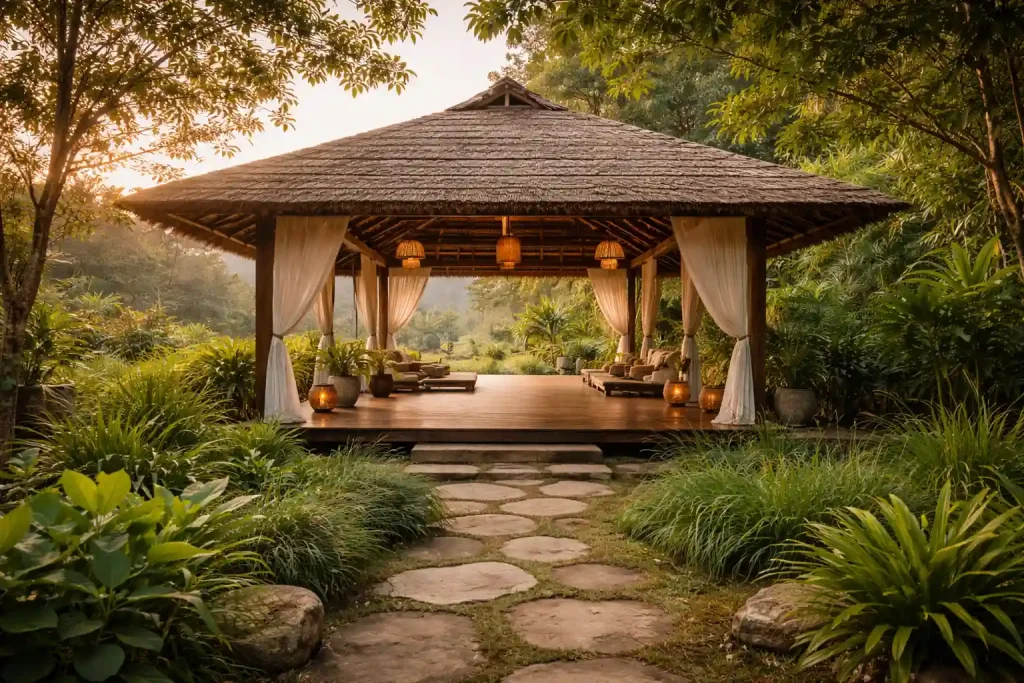
Why Thailand Is Ideal for Breathwork Retreats
Thailand offers a unique combination of elements that naturally support breath-based practices:
• Warm, humid air that encourages deeper breathing • Open landscapes that reduce sensory overload • A long-standing cultural respect for contemplative practices • Retreat settings that prioritize calm over intensity
Many guests notice that simply arriving in these environments allows their breath to change—before any formal session begins.
This aligns with observations shared by the World Health Organization, which emphasizes the role of supportive environments in mental and emotional well-being.
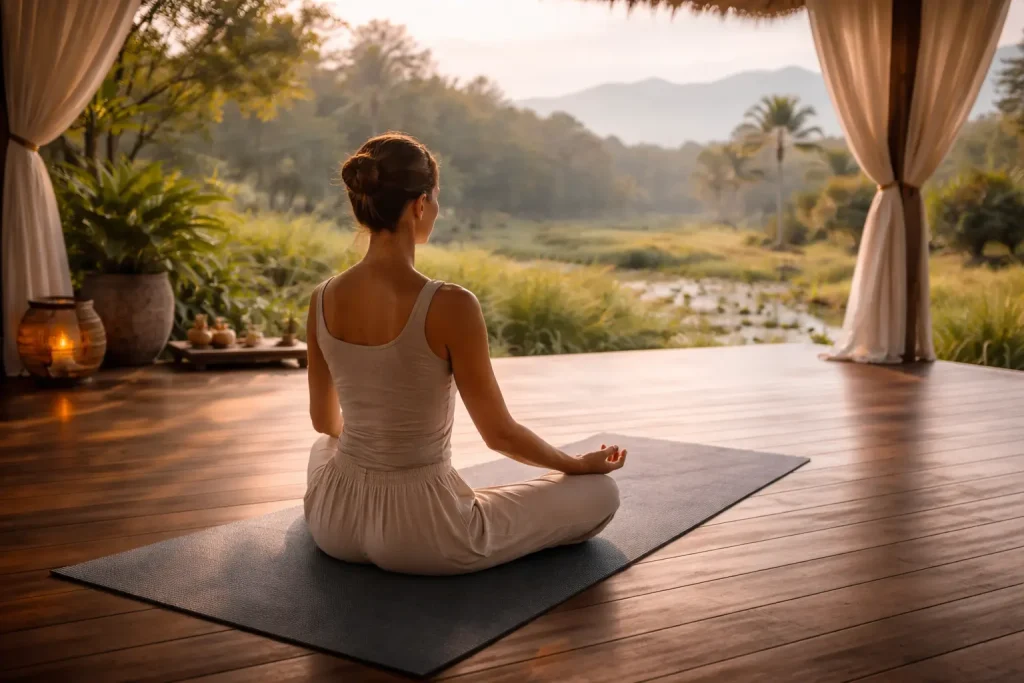
What Happens During a Breathwork Retreat Thailand Experience?
While each retreat differs, most Breathwork Retreat Thailand programs follow a gentle structure:
Arrival & Grounding
The first day often focuses on slowing down. Guests are invited to rest, acclimate, and reconnect with bodily awareness.
Guided Breathwork Sessions
Sessions are led by experienced facilitators who emphasize safety, consent, and self-regulation. Breath patterns may be slow and rhythmic, with pauses for rest.
Integration Time
Quiet periods are intentionally built in—journaling, gentle movement, or simply sitting with nature. Integration is considered as important as the breathwork itself.
Supportive Practices
Many retreats combine breathwork with meditation, gentle yoga, sound therapy, or mindfulness walks—without overwhelming the schedule.

Emotional Benefits Guests Often Experience
People attend a Breathwork Retreat Thailand for many reasons, but commonly reported outcomes include:
• Reduced stress and emotional tension • Greater clarity around emotions • Improved sleep and relaxation • A sense of inner spaciousness • Renewed connection to bodily signals
Harvard Health Publishing notes that breath-focused practices can support stress management and emotional regulation when approached gently and consistently.
Importantly, retreats do not promise transformation. They offer space. What arises within that space is respected, not rushed.
Who Is a Breathwork Retreat Thailand Best For?
These retreats are particularly suitable for:
• Individuals experiencing burnout or chronic stress • Travelers seeking emotional reset rather than physical challenge • Beginners curious about breathwork in a safe setting • Long-stay visitors and expats needing nervous system support • Those drawn to mindful, low-pressure wellness travel
They are not designed for extreme catharsis or intense endurance-based practices. If that is your goal, it is important to clarify the retreat style beforehand.
Breathwork Retreat vs Meditation or Healing Retreat
While often grouped together, these retreats serve different intentions:
• Meditation retreats emphasize stillness and awareness • Healing retreats often include emotional or therapeutic modalities • Breathwork retreats focus specifically on breath as the primary gateway
Many guests choose breathwork as an entry point, later exploring meditation or holistic retreats as part of a longer wellness journey.
Choosing the Right Breathwork Retreat Thailand
When selecting a retreat, consider:
• Facilitator training and experience • Group size and pacing • Emphasis on integration and rest • Clear communication about breathwork style • Natural, quiet surroundings
Avoid programs that promise guaranteed emotional breakthroughs. Sustainable wellness rarely comes from force.
National Institutes of Health (NCCIH) guidance on mind–body practices consistently emphasizes gradual nervous system regulation rather than intensity-driven outcomes.

A Note on Safety and Self-Listening
Breathwork can be powerful—even when gentle. A well-designed Breathwork Retreat Thailand encourages participants to listen to their bodies, pause when needed, and communicate openly with facilitators.
This respectful approach builds trust and supports long-term well-being rather than short-term emotional spikes.
Helpful Wellness References
- National Institutes of Health — Breathing practices and stress regulation
- Mayo Clinic — Stress management and mind–body practices
- World Health Organization — Mental well-being and supportive environments

