






Healing Retreat Thailand : Gentle Emotional Healing in Nature-Led Retreats
A healing retreat Thailand experience is not about fixing what is broken. It is about creating enough safety and stillness for healing to unfold naturally.
For many travelers in 2026, healing retreat Thailand offer refuge from emotional overload, burnout, and the constant pressure to perform. Surrounded by forests, mountains, and quiet coastlines, these retreats invite participants to slow down, listen inward, and reconnect with themselves through gentle, nature-led practices.
Rather than promising transformation, a healing retreat creates space—space to breathe, to rest the nervous system, and to feel whole again.
Contents Overview
- What Is a Healing Retreat?
- Why Thailand Is Ideal for Healing Retreats
- Types of Healing Retreats in Thailand
- Emotional Healing Retreats
- Mind–Body Healing Retreats
- Trauma-Informed Healing Retreats
- Holistic Healing Retreats
- Popular Locations for Healing Retreats
- Chiang Mai
- Koh Samui
- Quiet Areas of Phuket
- What a Typical Day Looks Like
- Who Is a Healing Retreat For?
- How to Choose the Right Healing Retreat Thailand Experience
- Preparing for a Healing Retreat
- Helpful Wellness References
- Explore More on Sook Sphere
What Is a Healing Retreat?
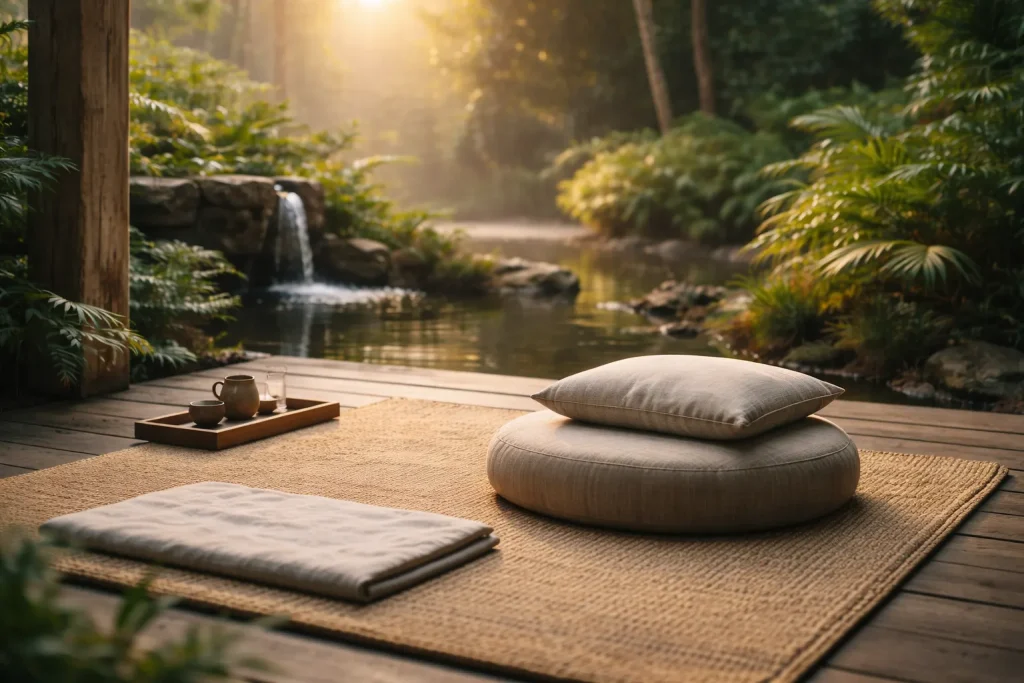
A healing retreat is a holistic wellness experience designed to support emotional balance, mental clarity, and gentle physical restoration. Unlike fitness-focused or productivity-driven retreats, healing retreats prioritize nervous system safety, emotional awareness, and personal pacing.
Many healing retreats in Thailand integrate:
- Mindfulness and meditation practices
- Gentle yoga or somatic movement
- Breath awareness for emotional regulation
- Body-based therapies such as massage or energy work
- Nourishing meals prepared with intention
- Quiet reflection and nature immersion
This approach aligns with insights from organizations such as the National Institutes of Health (NIH), which highlight the role of stress regulation and mind–body practices in emotional well-being.
Why Thailand Is Ideal for Healing Retreats
Thailand has long been recognized as a place where contemplative traditions, nature-rich environments, and gentle living naturally intersect. According to the World Health Organization (WHO), supportive environments and reduced chronic stress play a key role in maintaining mental and emotional health.
Thailand’s healing retreat culture reflects this understanding. Programs emphasize calm rhythms, respectful guidance, and connection with nature rather than intensity or pressure. For many guests, simply being in these environments helps the body begin to soften before any formal practice begins.
Types of Healing Retreats in Thailand
Emotional Healing Retreats
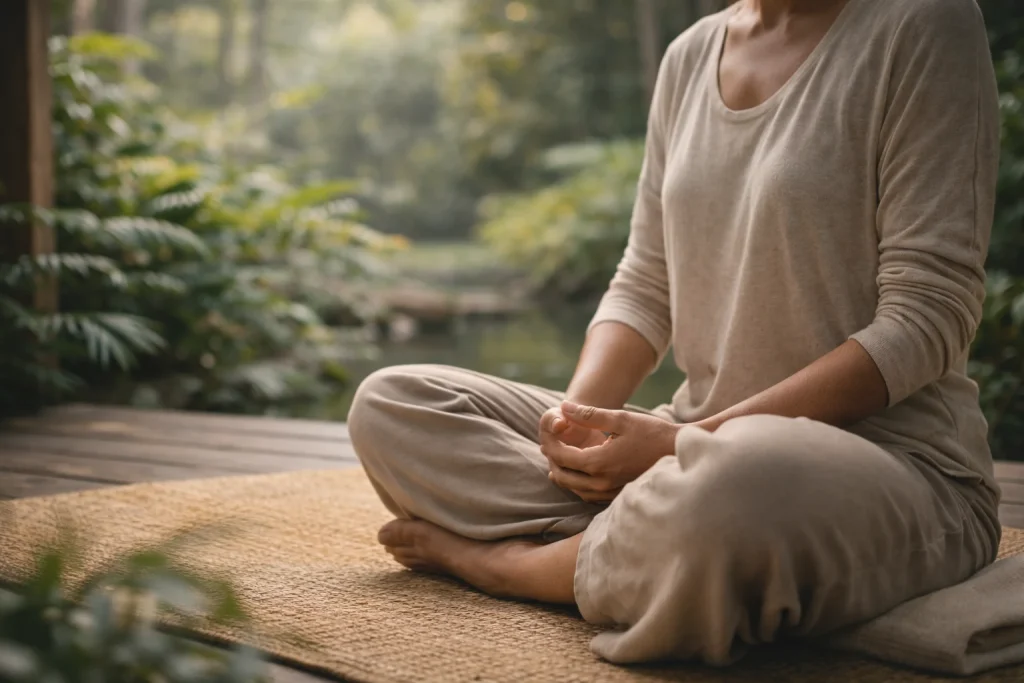
These retreats support individuals navigating burnout, grief, or emotional fatigue. Practices may include guided meditation, reflective journaling, and gentle group sharing in a safe, non-judgmental setting.
Mind–Body Healing Retreats
Focused on the relationship between emotional health and physical well-being, mind–body retreats often combine breathwork, restorative yoga, and somatic awareness to help calm the nervous system.
Trauma-Informed Healing Retreats
Trauma-informed retreats prioritize choice, consent, and pacing. Activities are optional, facilitators are trained to work gently, and silence or rest is always respected.
Holistic Healing Retreats
Holistic retreats integrate multiple elements—movement, nutrition, mindfulness, and rest—into a balanced experience that supports the whole person rather than targeting a single outcome.
Popular Locations for Healing Retreats
Chiang Mai
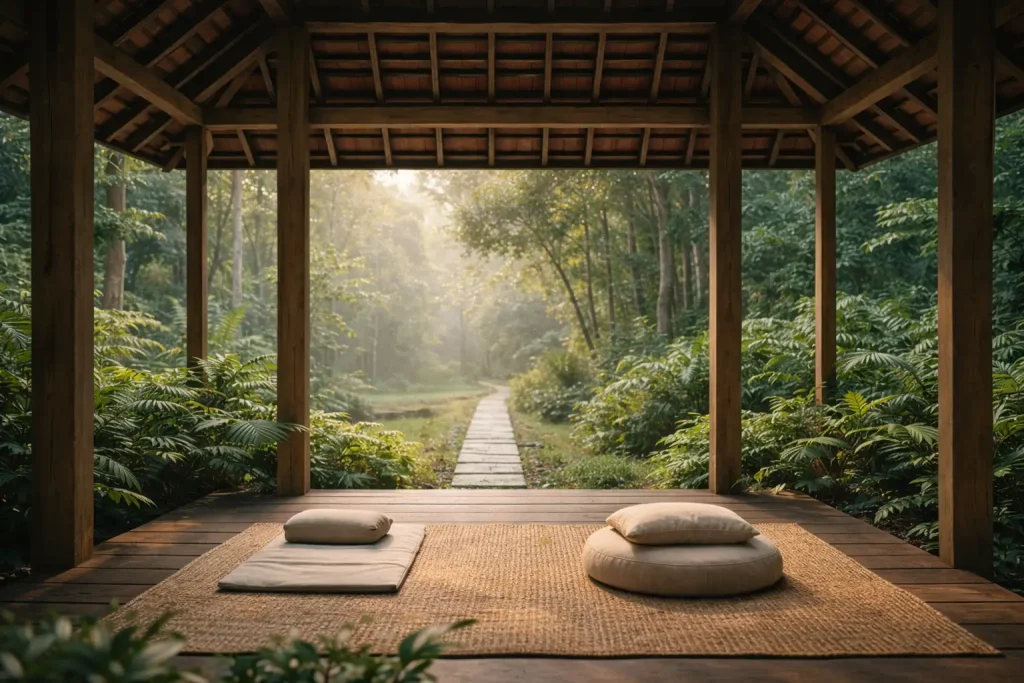
Surrounded by mountains and forests, Chiang Mai is well suited for introspective healing retreats focused on emotional clarity, meditation, and inner stillness.
Koh Samui
With its calm beaches and established wellness community, Koh Samui offers healing retreats that combine emotional support with ocean-side relaxation.
Quiet Areas of Phuket
Away from busy tourist centers, Phuket’s quieter regions host healing retreats centered on rest, reflection, and gentle daily routines.

What a Typical Day Looks Like
A typical day at a healing retreat Thailand location is intentionally unhurried. While schedules vary, many follow a gentle flow:
- Morning meditation or breath awareness
- Light movement or restorative yoga
- Nourishing meals prepared with care
- Optional workshops or one-on-one sessions
- Free time for rest, journaling, or nature walks
- Evening reflection or quiet sitting
This rhythm supports emotional integration without overwhelm, a principle echoed by Harvard Health Publishing, which emphasizes consistency and calm over intensity in stress recovery.
Who Is a Healing Retreat For?
A healing retreat Thailand experience may feel right for you if:
- You feel emotionally exhausted or burned out
- You are navigating a life transition or loss
- You seek emotional clarity without pressure
- You prefer gentle practices over intensive programs
- You value personal pacing and emotional safety
Healing retreats are not about performance. They are about permission.
How to Choose the Right Healing Retreat Thailand Experience
Choosing the right healing retreat Thailand experience is less about comparison and more about alignment. Medical and health authorities consistently note that environments which reduce stress and support nervous system regulation play an important role in long-term healing and emotional well-being.
When selecting a healing retreat, consider:
- The facilitator’s experience and trauma-informed approach
- The level of structure versus free time
- The natural environment and overall pace
- Group size and sense of personal space
- Integration support after the retreat
Listening to your body’s response while reading about a retreat is often the most reliable guide.

Preparing for a Healing Retreat
Before attending a healing retreat, it can be helpful to:
- Set a gentle intention rather than a fixed goal
- Pack comfortable clothing and a journal
- Allow emotions to arise without expectation
- Leave space after the retreat for integration
Healing often continues long after the retreat has ended.
Helpful Wellness References
To support evidence-based understanding of emotional healing and mind–body wellness, the following trusted sources offer clear, non-commercial guidance:
- National Institutes of Health (NIH): Mindfulness, stress regulation, and emotional health
- National Institutes of Health (NIH): Meditation and Mindfulness: Effectiveness and Safety
- World Health Organization (WHO): Mental health, well-being, and stress reduction
Explore More on Sook Sphere
If you are exploring a healing retreat Thailand, you may also find these related guides helpful:
- Meditation Retreat Thailand 2026: The Best Places for Stillness & Renewal
- Silent Retreat Thailand 2026: A Gentle Guide to Finding Stillness
- Holistic Retreat Thailand 2026: A Gentle Guide to Whole-Body Renewal
At Sook Sphere, we believe healing begins with gentleness. A healing retreat Thailand is not about becoming someone new—it is about coming home to yourself.

