





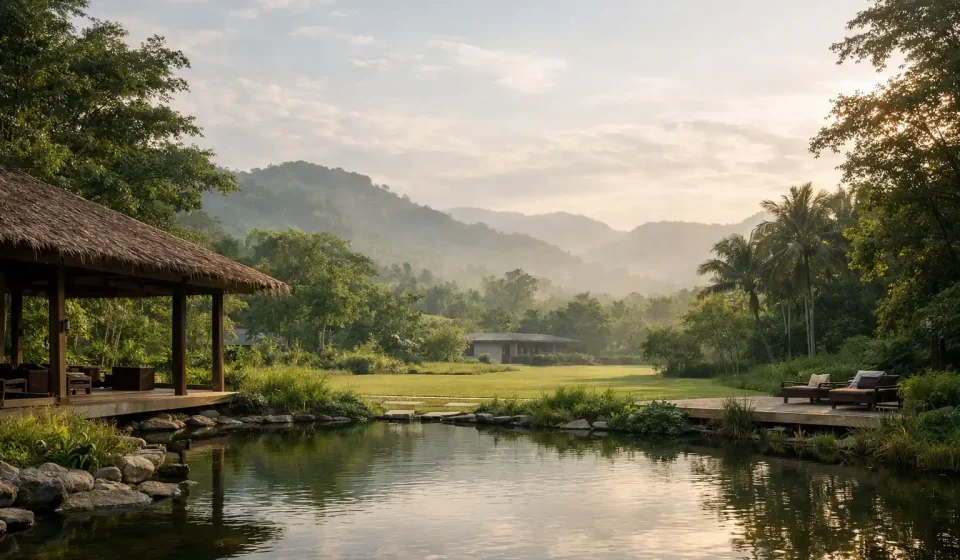
Holistic Retreat Thailand : A Gentle Guide to Whole-Body Renewal
A holistic retreat Thailand is not about fixing what is broken. It is about remembering balance.
Rather than focusing on a single outcome—such as weight loss, detox, or performance—holistic retreats invite a more complete form of well-being. Body, mind, emotions, and environment are viewed as interconnected, not separate systems. Thailand’s natural landscapes, contemplative traditions, and slow-living culture make it one of the most supportive places in the world for this kind of gentle, sustainable reset.
For many travelers, a holistic retreat in Thailand becomes less of a program to complete and more of a space to soften, listen, and realign.
Contents Overview
What Does “Holistic Retreat” Really Mean?
The word holistic comes from the idea of wholeness. In a retreat setting, this means caring for the whole person rather than isolating symptoms or goals.
A holistic retreat Thailand often integrates:
- Physical care through nourishing food, gentle movement, and restorative body therapies
- Mental and emotional support through mindfulness, reflection, and quiet time
- Environmental harmony through nature immersion and simple living
- Lifestyle awareness through daily rhythms, rest patterns, and self-connection
Rather than pushing the body through extremes, holistic retreats emphasize support, balance, and long-term well-being.

Why Thailand Is Ideal for Holistic Retreats
Thailand has long been associated with healing—not through intensity, but through ease.
Several elements naturally support holistic retreat experiences:
- Nature-rich environments
Tropical coastlines, forested mountains, and open rural spaces help calm the nervous system and invite presence. - A culture of mindfulness
Meditation, mindful movement, and quiet awareness are woven into daily life rather than treated as performance-based practices. - A gentle pace of living
Daily rhythms encourage slowing down, making it easier to rest, reflect, and reconnect. - Warm hospitality
Care is often expressed through attentiveness, simplicity, and respect rather than rigid structure.
Together, these factors create an environment where the body can relax before any formal practice even begins.

What to Expect at a Holistic Retreat Thailand
Every retreat is different, but many holistic retreats share a similar philosophy.
You may experience:
- Calm, nourishing meals designed to support digestion and energy
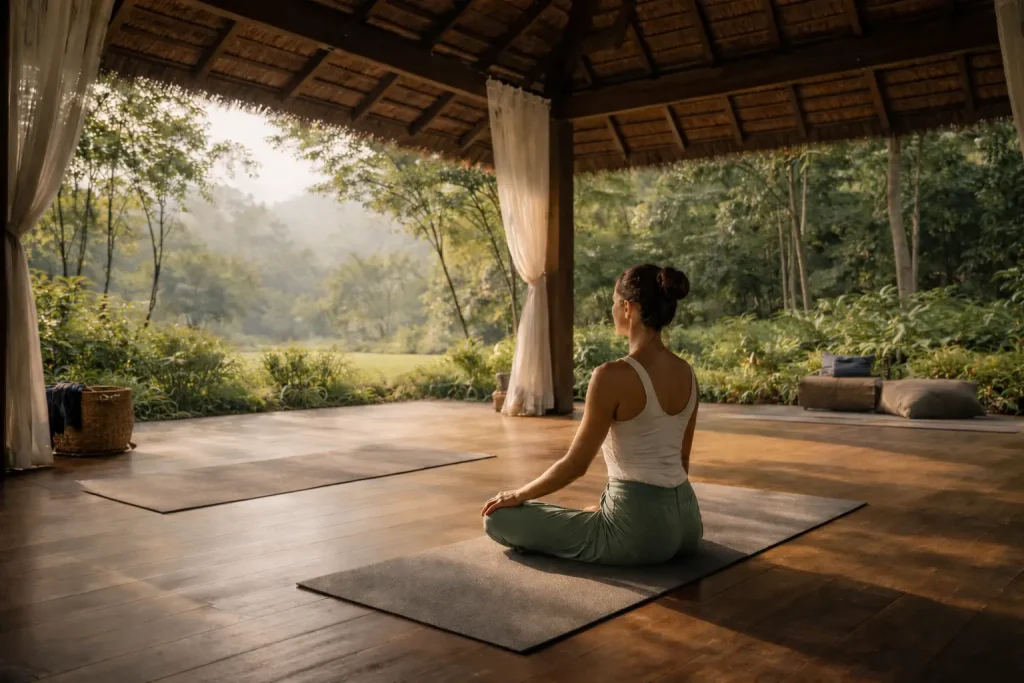
- Gentle practices such as yoga, breathwork, or mindful walking
- Quiet spaces for journaling, rest, and personal reflection
- Optional body therapies focused on relaxation rather than correction
- Flexible schedules that honor individual needs
Rather than being tightly programmed, holistic retreats often leave space for intuition and self-paced integration.

Who Is a Holistic Retreat For?
A holistic retreat Thailand may be especially suitable for:
- Individuals experiencing burnout or emotional fatigue
- Travelers seeking rest rather than stimulation
- First-time retreat guests who prefer a non-intense approach
- Long-stay visitors looking to reset daily habits
- Anyone curious about mindful living without rigid rules
It is less about transformation through effort and more about restoration through presence.
Choosing the Right Holistic Retreat
When exploring holistic retreat Thailand, it can be helpful to look beyond marketing language.
Consider asking:
- Does the retreat emphasize balance rather than extremes?
- Is participation flexible or compulsory?
- How much space is given for rest and reflection?
- Does the environment feel supportive rather than pressured?
The right retreat often feels calm and grounded even before you arrive.

A Gentle Closing Thought
A holistic retreat Thailand is not something to conquer or complete.
It is an invitation—to slow down, to listen, and to remember what balance feels like in your own body and life. In a world that often rewards speed and productivity, choosing wholeness may be the most restorative journey of all.
Helpful Wellness References
The following trusted health and wellness organizations provide evidence-based guidance that aligns with the gentle, holistic approach discussed in this article:
- World Health Organization (WHO) — Mental health, well-being, stress reduction, and supportive environments
- National Institutes of Health (NIH) — Mind–body connection, mindfulness, and stress regulation
- National Institutes of Health (NIH) — Holistic health, nervous system balance, and lifestyle-based wellness guidance
- Harvard Health Publishing — Burnout recovery, stress management, and sustainable wellness practices
Explore More on Sook Sphere
If you are interested in holistic wellness in Thailand, you may also find these related guides helpful:

