





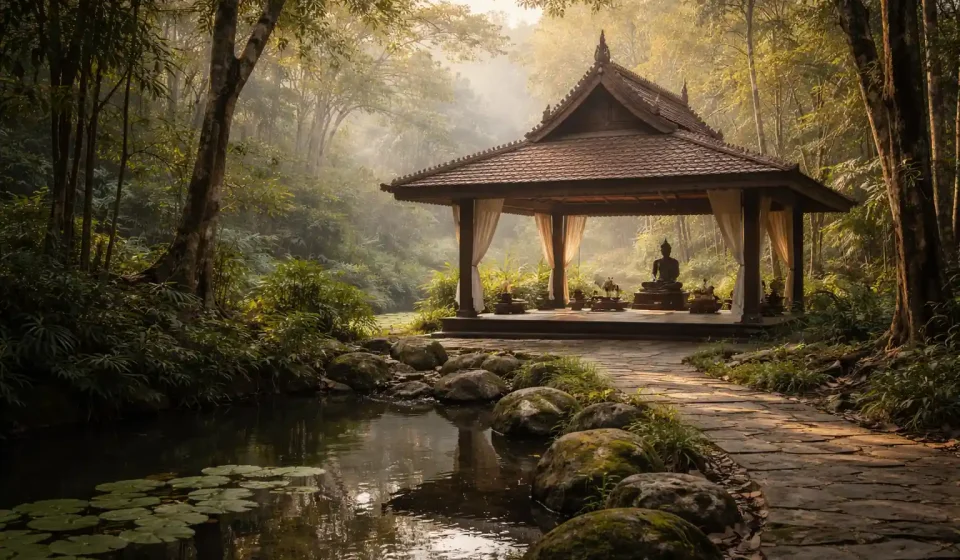
Silent Retreat Thailand : A Gentle Guide to Finding Stillness
Silent Retreat Thailand: Why Silence Is Becoming the New Luxury
Silent Retreat Thailand experiences have quietly become one of the most meaningful wellness journeys for travelers seeking true mental rest. In a world filled with notifications, conversations, expectations, and constant stimulation, silence is no longer emptiness — it is restoration.
A silent retreat is not about isolation or deprivation. Instead, it offers a safe, structured space where speech is gently paused, allowing the mind to settle naturally. Thailand’s long-standing meditation culture, forest monasteries, and modern wellness retreats create an environment where silence feels supported rather than forced.
Many visitors choose a silent retreat in Thailand not because something is “wrong,” but because they feel called to slow down, listen inward, and reconnect with a quieter sense of self.
Contents Overview
- Silent Retreat Thailand: Why Silence Is Becoming the New Luxury
- What Is a Silent Retreat?
- Why Thailand Is Ideal for a Silent Retreat
- Types of Silent Retreats in Thailand
- Forest Monastery Silent Retreats
- Wellness-Based Silent Retreats
- Short Silent Retreats (3–5 Days)
- Long-Form Silent Retreats (7–10+ Days)
- What to Expect During a Silent Retreat in Thailand
- Who Is a Silent Retreat Thailand Experience Best For?
- Mental and Emotional Benefits of Silence
- How to Choose the Right Silent Retreat in Thailand
- Helpful Wellness References
- Explore More on Sook Sphere
What Is a Silent Retreat?
A silent retreat is a structured program where participants intentionally refrain from speaking for a set period — often ranging from 3 to 10 days. In Silent Retreat Thailand programs, silence is typically paired with meditation, mindful movement, simple meals, and clear daily routines.
Unlike social retreats, silent retreats minimize external input so internal awareness can rise naturally. You may still receive guidance from teachers or monks, but communication is usually limited to essential instructions.
By reducing constant external stimulation, the mind and nervous system are given space to slow down and reset. Research from the National Institutes of Health (NIH) suggests that mindfulness-based practices and quieter environments may help reduce stress responses and support overall nervous system regulation.
Silence creates space for:
- Mental clarity
- Emotional processing
- Nervous system regulation
- Deep rest without distraction
Why Thailand Is Ideal for a Silent Retreat
Silence in Thailand feels natural, not rigid. Many retreats emphasize kindness, self-compassion, and gradual settling rather than strict discipline. This approach aligns with guidance from the World Health Organization (WHO), which highlights the importance of supportive environments and gentle practices in sustaining long-term mental well-being.
Key reasons travelers choose Thailand include:
- A deep-rooted Buddhist meditation culture
- Forest monasteries with decades of silent practice
- Affordable retreat options compared to Europe or the US
- Warm climate that supports relaxed, open awareness
Silence in Thailand feels natural, not rigid. Many retreats emphasize kindness, self-compassion, and gradual settling rather than strict discipline.
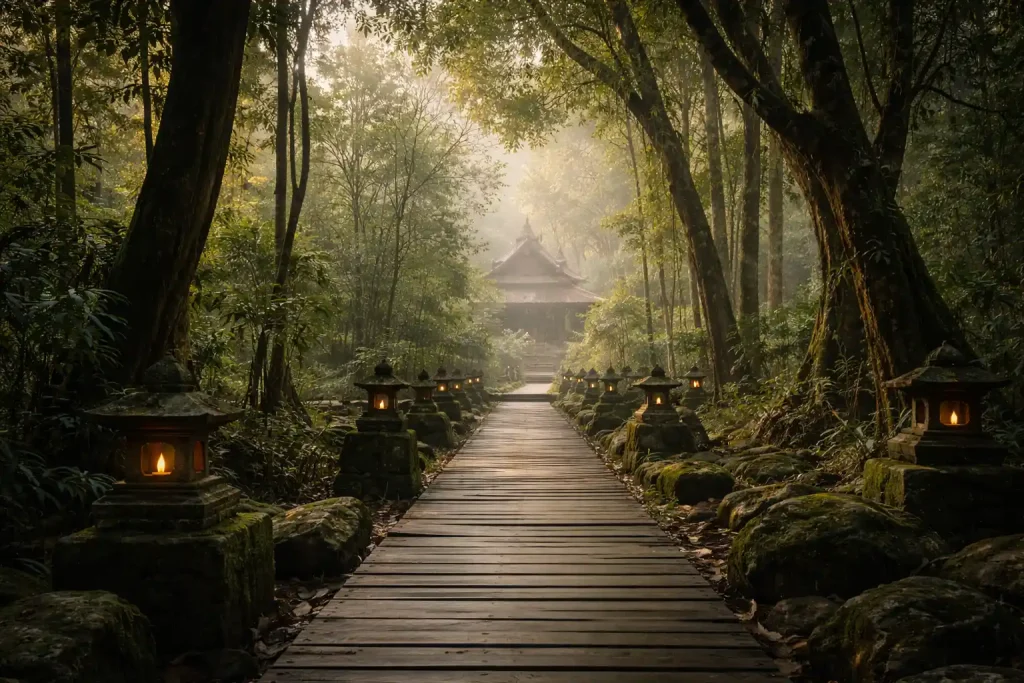
Types of Silent Retreats in Thailand
Silent Retreat Thailand experiences vary widely in structure and intensity. Understanding the main types helps you choose what aligns with your needs.
Forest Monastery Silent Retreats
Often guided by monks, these retreats take place in quiet forest environments. Silence is strict, routines are simple, and meditation forms the core practice. This style suits those seeking traditional depth and minimal comforts.
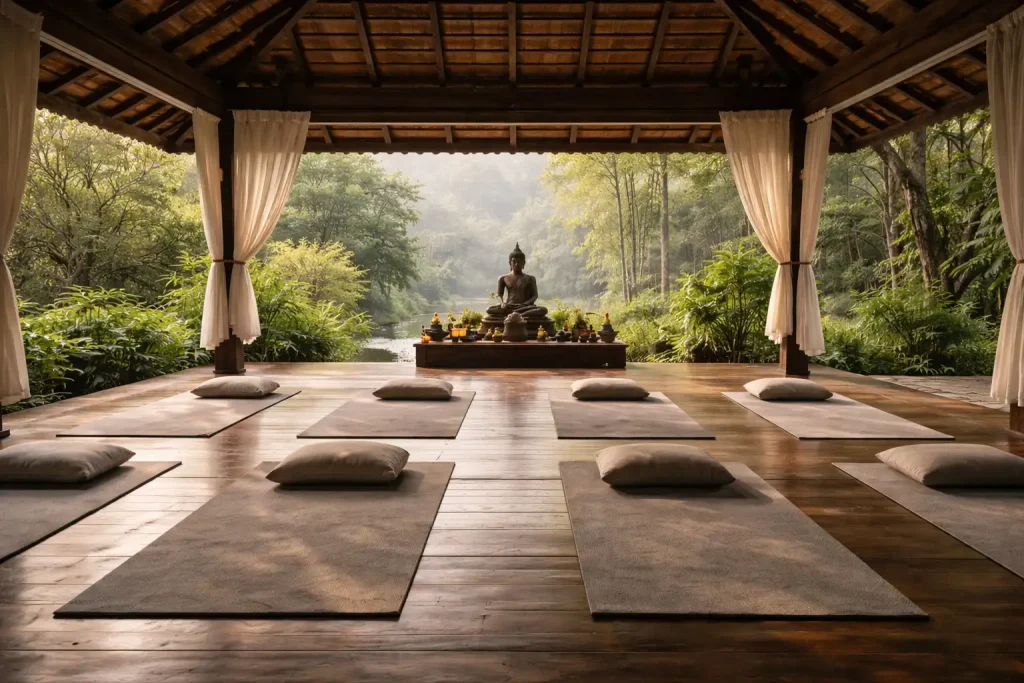
Wellness-Based Silent Retreats
These retreats combine silence with yoga, breathwork, gentle movement, and nourishing meals. Silence is usually flexible and beginner-friendly, making this option ideal for travelers new to silent practice.
Short Silent Retreats (3–5 Days)
Designed for busy professionals or travelers on limited schedules, shorter Silent Retreat Thailand programs offer a gentle introduction without overwhelming intensity.
Long-Form Silent Retreats (7–10+ Days)
These retreats allow deeper mental settling and emotional clarity. They are often chosen by experienced meditators or those navigating burnout or life transitions.

What to Expect During a Silent Retreat in Thailand
While each Silent Retreat Thailand program is unique, most follow a similar rhythm:
- Early morning meditation or mindful walking
- Simple, nourishing meals
- Periods of seated meditation and rest
- Minimal instructions or short daily talks
- Quiet evenings and early rest
Silence may feel unfamiliar at first. Many participants experience restlessness, emotional release, or mental noise in the early days — all of which gradually soften with time.
This gradual softening is natural. Guidance from the World Health Organization (WHO) highlights that gentle, supportive practices — including mindfulness and meditation — play an important role in maintaining mental calm and overall well-being when approached sustainably.
Who Is a Silent Retreat Thailand Experience Best For?
A Silent Retreat Thailand journey is especially suited for:
- Individuals experiencing mental fatigue or burnout
- Travelers seeking emotional clarity
- Those curious about meditation but overwhelmed by daily life
- Wellness travelers wanting a non-physical reset
It may not be ideal for those seeking constant stimulation, social interaction, or luxury-focused experiences.

Mental and Emotional Benefits of Silence
Clinical wellness sources such as Harvard Health Publishing highlight that mindfulness and meditation practices are associated with reduced stress, improved emotional regulation, and greater mental clarity.
Participants often report:
- Improved focus and attention
- Reduced anxiety and nervous tension
- Clearer emotional awareness
- A renewed sense of inner stability
Silence allows the nervous system to shift out of constant alert mode and into a state of rest and repair.

How to Choose the Right Silent Retreat in Thailand
When selecting a Silent Retreat Thailand program, consider:
- Length of stay
- Level of structure vs flexibility
- Monastery-based or wellness-based environment
- Physical comfort needs
- Previous meditation experience
Choosing a retreat that matches your current life stage is more important than choosing the “deepest” or strictest option.
Helpful Wellness References
- World Health Organization (WHO): Mindfulness, mental health, and stress management
- National Institutes of Health (NIH): Meditation and mental well-being
- Harvard Health Publishing: How mindfulness supports mental health
- Cleveland Clinic: Meditation and stress reduction
Explore More on Sook Sphere
- Meditation Retreat Thailand 2026: The Best Places for Stillness & Renewal
- Healing Retreat Thailand 2026: Gentle Emotional Healing in Nature-Led Retreats
- Holistic Retreat Thailand 2026: A Gentle Guide to Whole-Body Renewal

