





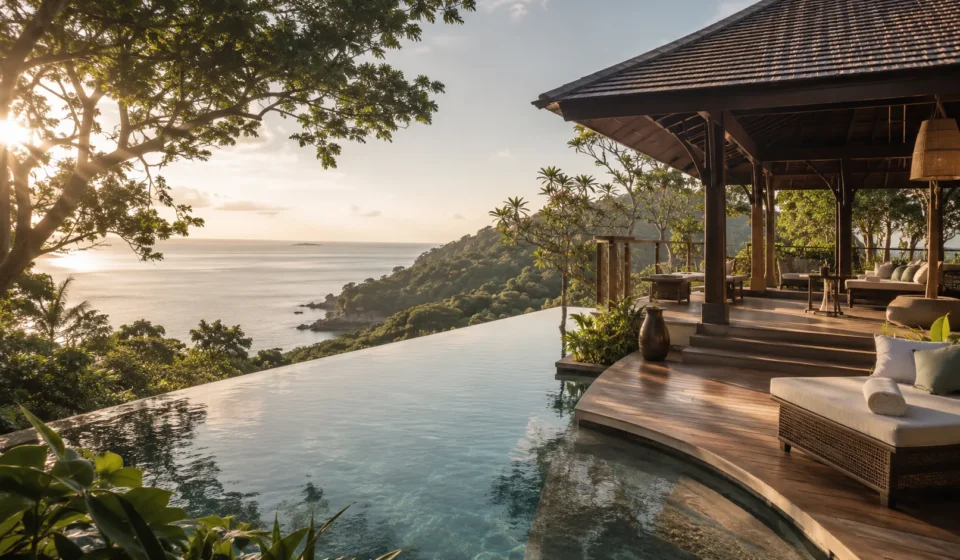
Wellness Resort Thailand — A Calm, Trusted Guide to Restorative Stays Across Thailand
Thailand has long been associated with beaches, hospitality, and luxury travel.
But over the last decade, the country has quietly evolved into something deeper.
Today, many international travelers are no longer coming to Thailand simply for vacations.
They are arriving in search of restoration.
Some come exhausted from fast-paced city life.
Others are recovering from burnout, emotional fatigue, stress, or long periods of disconnection from themselves. Some are simply looking for a slower, healthier, and more intentional way to travel.
This is where the modern wellness resort thailand experience becomes different from ordinary tourism.
Rather than focusing only on entertainment or luxury, wellness resorts in Thailand increasingly combine:
– restorative environments
– mindful hospitality
– spa and body therapies
– movement and yoga
– healthy cuisine
– emotional calm
– sleep and nervous system recovery
– holistic wellness experiences
Across destinations like Koh Samui, Phuket, Chiang Mai, and Bangkok, travelers can now find wellness spaces designed not only for relaxation, but for meaningful physical and emotional renewal.
For travelers exploring longer wellness journeys, many also combine these stays with Detox Retreat Thailand, Healing Retreat Thailand, or Wellness Spa Bangkok experiences for a more complete recovery-focused itinerary.
In this guide, we explore how the wellness resort thailand landscape is evolving in 2026, what types of wellness resorts are available, how to choose the right experience for your needs, and why Thailand continues to attract wellness travelers from around the world.
Contents Overview
- Why Thailand Has Become a Global Wellness Destination
- What Makes a Wellness Resort Different From a Regular Resort?
- The Main Types of Wellness Resorts in Thailand
- Luxury Wellness Resorts
- Detox & Cleansing Resorts
- Holistic & Emotional Healing Resorts
- Medical Wellness Resorts
- Best Regions for Wellness Resorts in Thailand
- Koh Samui — Island-Led Healing & Luxury Wellness
- Phuket — Luxury Spa & Wellness Hospitality
- Chiang Mai — Nature, Mindfulness & Slower Living
- Bangkok — Urban Wellness & Recovery Stays
- How to Choose the Right Wellness Resort in Thailand
- Consider the Emotional Atmosphere
- Consider Stay Length
- Wellness Resort Thailand for Burnout Recovery
- The Rise of Wellness Travel in 2026
- Wellness Resort vs Wellness Retreat — What’s the Difference?
- Is Thailand Safe for Wellness Travel?
- Final Thoughts — Wellness Travel Is Becoming More Intentional
- Trusted Wellness Perspectives
- Continue Your Wellness Journey
Why Thailand Has Become a Global Wellness Destination
Thailand’s appeal as a wellness destination is not built on luxury alone.
What makes the country unique is the combination of:
- natural landscapes
- hospitality culture
- affordability compared to Europe or the US
- established wellness infrastructure
- spa traditions
- integrative wellness experiences
- access to international healthcare
Unlike some wellness destinations that focus only on high-end exclusivity, Thailand offers a wide spectrum of wellness experiences.
Travelers can find:
- luxury beachfront wellness resorts
- jungle healing retreats
- yoga-focused sanctuaries
- holistic spa resorts
- medical wellness resorts
- detox-focused wellness programs
- emotional healing retreats
- quiet restorative stays for burnout recovery
This diversity is one reason why the wellness resort thailand ecosystem continues to grow.
The country also benefits from relatively mature hospitality and wellness industries.
International travelers often feel comfortable navigating wellness resorts in Thailand because many facilities are already experienced in welcoming global guests.
Several wellness-focused destinations also combine recovery experiences with broader lifestyle support, including healthy dining, nature immersion, mindfulness practices, and stress reduction.
According to multiple well-documented perspectives from organizations including the World Health Organization (WHO) and Harvard Health Publishing, long-term wellness is increasingly connected to stress regulation, restorative sleep, movement, emotional balance, and sustainable lifestyle habits.
This broader definition of wellness aligns closely with how many Thailand wellness resorts now position their experiences.
What Makes a Wellness Resort Different From a Regular Resort?
Not every luxury resort is a wellness resort.
A traditional resort may focus primarily on:
- entertainment
- nightlife
- shopping
- beach access
- family activities
- dining experiences
A true wellness resort thailand experience usually prioritizes restoration.
This does not necessarily mean strict detox schedules or highly structured programs.
In many cases, wellness resorts are designed to create conditions that naturally support nervous system recovery and emotional calm.
This may include:
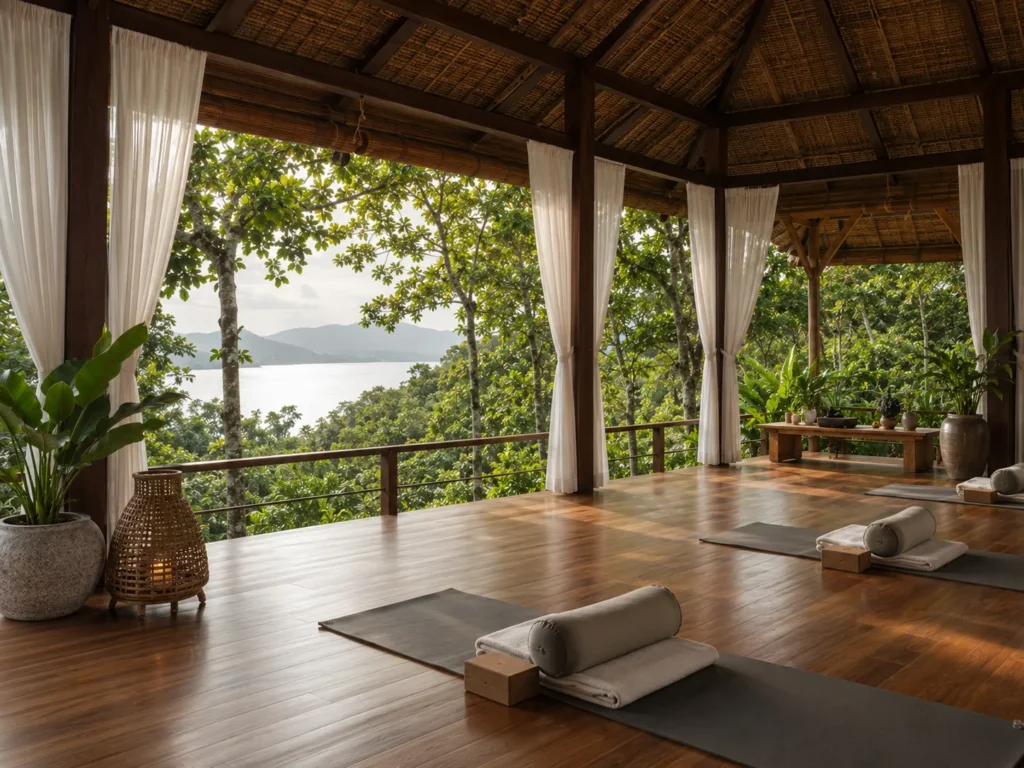
- quieter architecture
- slower pacing
- healthier food options
- spa and bodywork therapies
- mindfulness spaces
- nature integration
- movement programs
- sleep-focused room design
- reduced stimulation
Some wellness resorts are highly immersive and program-driven.
Others are softer, more flexible, and designed for travelers who simply want a healthier and calmer style of stay.
For example, some travelers may prefer intensive wellness experiences connected to Detox Resort Thailand programs, while others may prefer gentler wellness hotels focused on spa recovery and mindful rest.
This flexibility is part of what makes Thailand attractive to many different types of wellness travelers.
The Main Types of Wellness Resorts in Thailand
The wellness resort thailand landscape is broad.
Understanding the different categories can help travelers choose experiences that genuinely match their needs.
Luxury Wellness Resorts
Luxury wellness resorts combine high-end hospitality with wellness-oriented experiences.
These properties often include:
- premium spa facilities
- healthy fine dining
- yoga or movement programs
- holistic wellness treatments
- sleep-focused accommodations
- nature-integrated design
Many travelers seeking calm but comfortable wellness experiences begin here.
Destinations like Koh Samui and Phuket are especially known for luxury wellness resorts.
Detox & Cleansing Resorts
These resorts focus more directly on physical reset and lifestyle recovery.
Programs may include:
- juice fasting
- nutritional support
- colon hydrotherapy
- detox therapies
- guided wellness routines
- movement and mindfulness
Travelers interested in deeper cleansing programs often continue into Colon Cleanse Thailand or Detox Diet Thailand experiences.
Holistic & Emotional Healing Resorts
These wellness resorts focus more heavily on emotional wellbeing, nervous system recovery, mindfulness, and inner balance.
Programs may include:
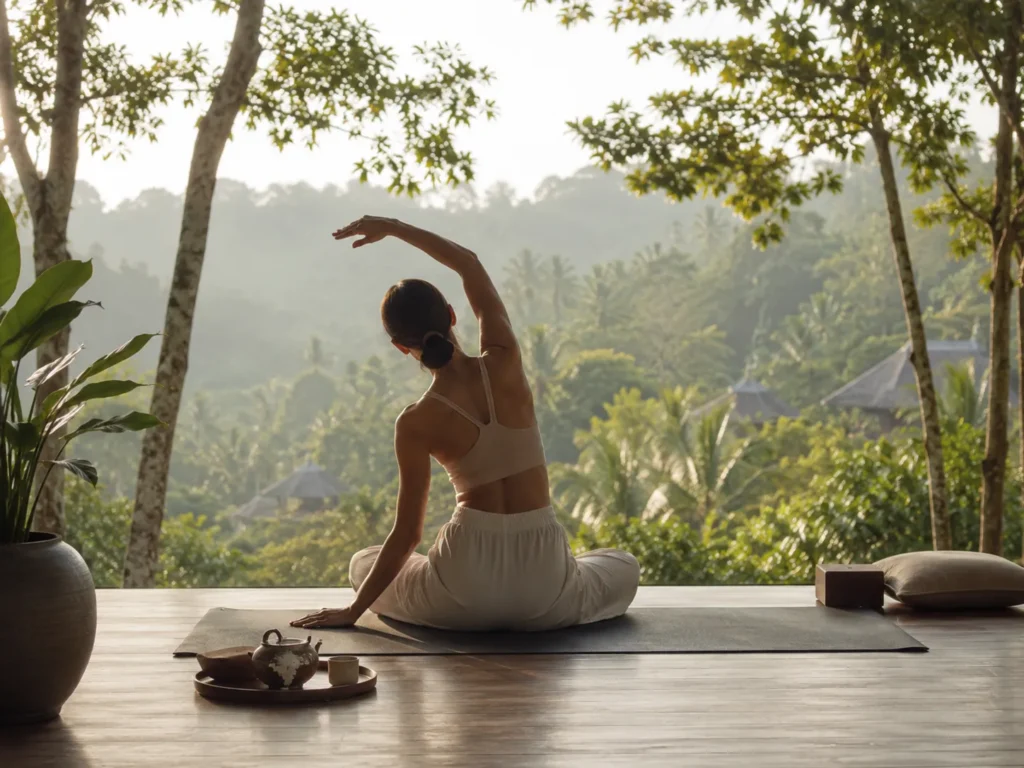
- meditation
- sound healing
- breathwork
- yoga
- emotional wellness workshops
- mindfulness practices
Travelers seeking deeper emotional reset may also explore Holistic Retreat Thailand or Breathwork Retreat Thailand.
Medical Wellness Resorts
A growing segment of the wellness resort thailand ecosystem combines wellness hospitality with preventive health support.
These properties may offer:
- health assessments
- IV therapy
- recovery support
- physiotherapy
- longevity programs
- sleep optimization
- nutritional consultations
This area increasingly overlaps with Functional Medicine Thailand and Regenerative Medicine Thailand.
Best Regions for Wellness Resorts in Thailand
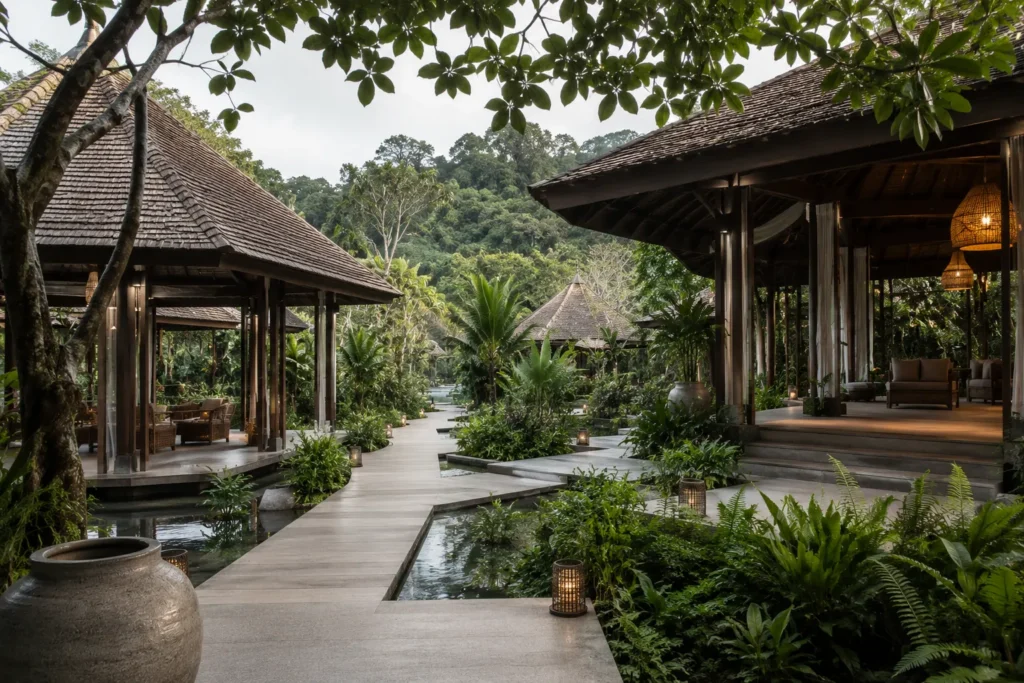
Different regions of Thailand offer different wellness atmospheres.
Choosing the right destination is often just as important as choosing the resort itself.
Koh Samui — Island-Led Healing & Luxury Wellness
Koh Samui has become one of Thailand’s most internationally recognized wellness destinations.
The island is especially known for:
- luxury wellness resorts
- detox retreats
- yoga experiences
- oceanfront recovery spaces
- slower island atmosphere
Many travelers choose Koh Samui because it balances comfort, nature, and accessibility.
The island is particularly popular for:
- burnout recovery
- emotional reset
- solo wellness travel
- longer wellness stays
Travelers exploring island-based detox experiences often also discover Natural Detox Resort Koh Samui or Detox Retreat Koh Samui.
Phuket — Luxury Spa & Wellness Hospitality
Phuket offers a more developed luxury hospitality ecosystem.
While it is busier than Koh Samui in some areas, it also contains:
- premium wellness resorts
- luxury spa experiences
- medical wellness facilities
- oceanfront wellness hotels
- integrated wellness programs
Travelers who want both comfort and accessibility often choose Phuket.
Many visitors also combine wellness stays with wellness Spa Phuket experiences.
Chiang Mai — Nature, Mindfulness & Slower Living
Northern Thailand offers a very different wellness atmosphere.
Chiang Mai is often associated with:
- mindfulness travel
- mountain retreats
- yoga communities
- emotional healing
- nature-led recovery
- slower rhythms
Travelers seeking gentler emotional recovery may prefer Chiang Mai over more luxury-oriented destinations.
This region also strongly connects with Chiang Mai Detox, Silent Retreat Thailand, and future yoga-focused wellness content.
Bangkok — Urban Wellness & Recovery Stays
Bangkok is increasingly becoming an urban wellness destination.
While many travelers still view the city as energetic and fast-paced, the city now contains:
- wellness hotels
- medical wellness centers
- luxury spa hotels
- recovery-focused hospitality
- onsen experiences
Travelers often begin or end wellness journeys in Bangkok before continuing to islands or mountain regions.
Many also combine city stays with Best Wellness Hotels in Bangkok or Wellness Spa Bangkok experiences.
How to Choose the Right Wellness Resort in Thailand
Choosing the right wellness resort thailand experience depends less on luxury level and more on personal intention.
Travelers often benefit from asking themselves:
- Do I want physical recovery?
- Emotional reset?
- Quiet rest?
- Detox support?
- Medical wellness?
- Luxury comfort?
- Structured programming?
- Or simply space to slow down?
Not every traveler needs an intensive retreat.
For some people, a quiet wellness-oriented resort with healthy food, nature, massage therapies, and restorative sleep may already create significant recovery.
Other travelers may benefit from more immersive wellness programs.
Consider the Emotional Atmosphere
One of the most overlooked aspects of wellness travel is emotional pacing.
Some wellness resorts feel:
- luxurious but socially active
- structured and program-heavy
- deeply quiet and introspective
- minimalist and nature-led
- medical and recovery-focused
Understanding your own energy level matters.
A traveler recovering from burnout may prefer calm, low-stimulation environments.
Someone seeking motivation and movement may prefer more active wellness programming.
Consider Stay Length
Many wellness experiences become more effective with time.
Short stays may provide relaxation.
Longer stays may allow:
- nervous system recovery
- healthier routines
- improved sleep
- emotional decompression
- physical reset
This is one reason why wellness travelers increasingly combine resorts with longer wellness itineraries across multiple destinations.

Wellness Resort Thailand for Burnout Recovery
One of the fastest-growing segments of wellness travel is burnout recovery.
Many international travelers are no longer traveling only for sightseeing.
They are traveling because they feel:
- emotionally exhausted
- overstimulated
- mentally fatigued
- disconnected from themselves
- unable to fully rest at home
Thailand’s wellness environment naturally supports slower recovery experiences.
Many wellness resorts intentionally incorporate:
- quiet architecture
- natural materials
- slower pacing
- spa rituals
- mindfulness spaces
- reduced digital stimulation
- restorative food and sleep support
Several established wellness perspectives suggest that stress recovery and emotional regulation are increasingly connected to sleep quality, restorative environments, movement, and nervous system support.
This broader wellness philosophy is becoming central to many Thailand wellness resort experiences.
Travelers exploring burnout-oriented recovery often also resonate with Healing Retreat Thailand and Silent Retreat Thailand experiences.
The Rise of Wellness Travel in 2026
The global wellness travel market continues to evolve.
Travelers are increasingly prioritizing:
- intentional travel
- emotional wellbeing
- slower experiences
- sleep quality
- nature immersion
- mindful movement
- sustainable recovery
This shift has changed the role of hospitality.
Many travelers now evaluate hotels and resorts not only based on luxury, but also on how a place makes them feel.
This is one reason why the wellness resort thailand category continues expanding.
Thailand combines several advantages:
- strong hospitality infrastructure
- wellness affordability compared to Europe
- warm climate
- globally recognized spa culture
- access to nature
- strong tourism experience
- established wellness reputation
The country also supports many different styles of wellness travel.
Some travelers seek highly curated luxury wellness experiences.
Others prefer simpler emotional recovery in quieter environments.
Thailand can support both.
Wellness Resort vs Wellness Retreat — What’s the Difference?
These terms are often used interchangeably.
But they are not always the same.
A wellness retreat is usually:
- more program-driven
- more immersive
- more structured
- often focused on transformation or recovery
A wellness resort is often:
- more flexible
- hospitality-oriented
- easier for general travelers
- suitable for couples, solo travelers, or short stays
Some properties blend both concepts.
For example, many luxury wellness resorts now offer optional retreat-style programming inside a more relaxed hospitality environment.
This flexibility is one reason why the wellness resort thailand market appeals to both experienced wellness travelers and first-time visitors.
Is Thailand Safe for Wellness Travel?
For many international travelers, safety and comfort are important considerations.
Thailand remains one of Asia’s most established tourism destinations.
Many wellness resorts are highly experienced in welcoming international guests.
However, travelers should still evaluate:
- resort reputation
- transparency
- staff professionalism
- medical support access
- hygiene standards
- realistic wellness claims
When researching wellness experiences, it is often helpful to prioritize resorts that:
- communicate clearly
- avoid exaggerated promises
- provide balanced wellness guidance
- maintain professional hospitality standards
Travelers exploring more medical-oriented wellness experiences may also benefit from reviewing Health Check Up Thailand or related medical wellness resources.

Final Thoughts — Wellness Travel Is Becoming More Intentional
The future of wellness travel is no longer only about luxury.
Increasingly, travelers are searching for places that help them:
- slow down
- breathe more deeply
- recover emotionally
- reconnect with healthier rhythms
- feel physically and mentally supported
Thailand continues to evolve into one of the world’s most accessible and diverse wellness destinations.
From luxury island resorts and quiet mountain sanctuaries to urban recovery hotels and holistic spa experiences, the modern wellness resort thailand landscape offers far more than temporary relaxation.
For many travelers, these spaces become opportunities to reset not only the body, but also the pace and emotional texture of everyday life.
Whether someone is seeking deeper healing, mindful rest, emotional recovery, or simply a gentler way to travel, Thailand increasingly provides wellness experiences designed to support those intentions with calm, care, and hospitality.
Trusted Wellness Perspectives
Several established organizations continue to highlight the growing importance of restorative environments, stress regulation, sleep quality, movement, and emotional wellbeing in long-term health.
Insights on stress recovery and nervous system regulation from Cleveland Clinic, preventive wellness guidance from the World Health Organization (WHO), and broader integrative wellness research from the National Institutes of Health (NIH) all help reinforce the evolving role of wellness-oriented travel experiences in supporting overall wellbeing.
For travelers exploring more mindful and restorative journeys, these broader wellness perspectives may offer useful context alongside personal travel goals and professional medical guidance where appropriate.
Continue Your Wellness Journey
Travelers interested in the evolving world of wellness resort Thailand experiences may also wish to explore:
- Detox Retreat Thailand for structured cleansing and reset programs
- Healing Retreat Thailand for emotional recovery and slower wellness travel
- Best Wellness Hotels in Bangkok for restorative urban wellness stays
- Wellness Spa Phuket for island-based spa and relaxation experiences
- Holistic Retreat Thailand for mind-body wellness experiences rooted in balance and mindfulness