





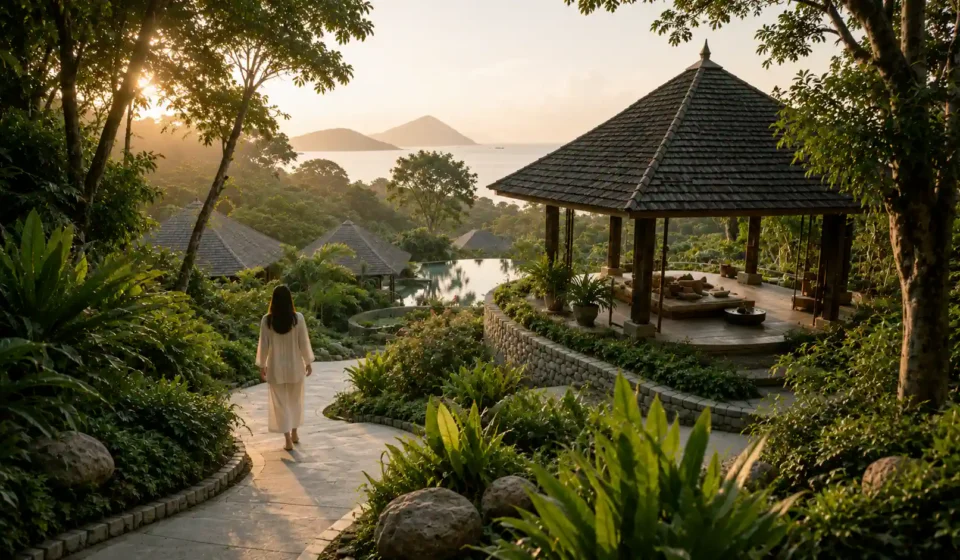
Burnout Recovery Retreat Thailand — Calm Wellness Resorts for Rest, Emotional Healing & Gentle Renewal
Modern burnout rarely arrives all at once.
For many people, it builds quietly through long workdays, emotional fatigue, chronic stress, overstimulation, sleep disruption, and the gradual feeling that the body and mind are no longer recovering properly.
This is one reason why interest in the idea of a burnout recovery retreat has grown significantly in recent years.
Travelers are increasingly searching for calmer, slower wellness experiences that focus less on performance and more on emotional restoration, nervous system recovery, deep rest, and gentle reconnection.
Thailand has naturally become one of the world’s leading destinations for this kind of restorative wellness travel.
From quiet beachfront wellness resorts in Koh Samui to mountain retreats in Chiang Mai and nature-led healing spaces across the country, Thailand offers an atmosphere that supports slowing down without pressure.
Many travelers exploring a burnout recovery retreat experience are not necessarily looking for extreme detox programs or highly structured transformation.
Instead, they are often seeking:- deeper rest
– emotional spaciousness
– supportive wellness environments
– gentle movement
– healthy meals
– quietness
– sleep recovery
– mindfulness practices
– a temporary break from constant stimulation
Several travelers exploring emotional wellness journeys in Thailand may also appreciate our Healing Retreat Thailand 2026: Gentle Emotional Healing in Nature-Led Retreats guide for a softer, emotionally supportive wellness experience.
Contents Overview
- Why Burnout Recovery Travel Is Growing So Quickly
- What Makes Thailand Ideal for Burnout Recovery Retreats
- Signs You May Need a Burnout Recovery Retreat
- What to Expect at a Burnout Recovery Retreat in Thailand
- Gentle Daily Structure
- Sleep-Supportive Environments
- Emotional Spaciousness
- Types of Burnout Recovery Retreats in Thailand
- Quiet Wellness Resorts
- Holistic Wellness Retreats
- Beach Wellness Retreats
- Breathwork & Nervous System Recovery Retreats
- Best Destinations in Thailand for Burnout Recovery
- Koh Samui
- Chiang Mai
- Phuket
- Smaller Coastal Areas
- How to Choose the Right Burnout Recovery Retreat
- Consider Your Energy Level
- Decide Between Silence or Social Wellness
- Look at Environmental Atmosphere
- Avoid Overly Aggressive Wellness Marketing
- Luxury Wellness Resorts vs Simpler Healing Retreats
- Luxury Wellness Resorts
- Simpler Nature-Led Retreats
- Wellness Practices Commonly Included in Burnout Retreats
- Gentle Yoga
- Meditation
- Spa Therapies
- Breathwork
- Healthy Meals
- Digital Detox Practices
- The Difference Between a Vacation and a Burnout Recovery Retreat
- Intention
- Pacing
- Wellness Integration
- Emotional Recovery
- Reduced Performance Pressure
- Why Quietness Matters in Burnout Recovery
- Wellness Travel and Nervous System Recovery
- How Long Should a Burnout Recovery Retreat Be?
- Is Thailand Safe for Solo Wellness Travelers?
- Burnout Recovery and Emotional Healing
- Final Thoughts
Why Burnout Recovery Travel Is Growing So Quickly
The global conversation around burnout has evolved considerably.
Burnout is no longer viewed only as workplace exhaustion.
Today, many wellness professionals and travelers describe burnout as a combination of:
- physical fatigue
- emotional overload
- nervous system dysregulation
- mental exhaustion
- overstimulation
- lack of recovery capacity
- chronic stress accumulation
This shift has also changed the kind of wellness travel people are searching for.
Rather than intense productivity-focused vacations, many travelers now seek:
- quiet wellness resorts
- slower travel experiences
- mindful routines
- nature immersion
- emotional healing environments
- restorative wellness programs
- sleep-supportive spaces
- technology boundaries
A well-designed burnout recovery retreat does not necessarily promise to “fix” someone.
Instead, the best experiences often create conditions where recovery becomes more possible.
That difference matters.
The atmosphere itself becomes part of the healing process.
Soft lighting, slower pacing, natural surroundings, supportive wellness practices, nourishing meals, reduced noise, and emotional spaciousness can all contribute to a deeper sense of regulation and rest.
Travelers who feel emotionally overstimulated may also find value in exploring our Silent Retreat Thailand 2026: A Gentle Guide to Finding Stillness guide for slower and quieter wellness environments.
What Makes Thailand Ideal for Burnout Recovery Retreats
Thailand occupies a unique position in global wellness travel.
The country combines:
- tropical nature
- hospitality culture
- holistic wellness traditions
- affordability compared to many Western destinations
- luxury wellness infrastructure
- strong spa and retreat ecosystems
- calm island environments
- restorative food culture
This combination makes Thailand especially appealing for travelers seeking a burnout recovery retreat.
Unlike highly commercialized wellness destinations that can sometimes feel performative or overly optimized, many wellness experiences in Thailand feel slower and more emotionally grounded.
This is particularly true in locations such as:
- Koh Samui
- Chiang Mai
- Phuket
- quieter coastal regions
- mountain wellness areas
Thailand also offers a wide spectrum of wellness experiences.
Some travelers prefer luxury wellness resorts with integrated spa programs, movement classes, mindfulness sessions, and private recovery spaces.
Others may prefer simpler nature-led retreats focused on silence, rest, meditation, breathwork, or emotional healing.
Many wellness travelers combining emotional recovery with restorative luxury stays may also enjoy our Wellness Resort Thailand (2026) — A Calm, Trusted Guide to Restorative Stays Across Thailand article.
Signs You May Need a Burnout Recovery Retreat
Not everyone experiencing burnout recognizes it immediately.
For some people, burnout appears physically.
For others, it feels emotional or cognitive.
Common signs often include:
- difficulty resting even when tired
- emotional numbness
- irritability
- poor sleep quality
- feeling disconnected from daily life
- reduced concentration
- chronic fatigue
- feeling emotionally overwhelmed
- inability to feel fully present
- nervous system hypervigilance
- constant mental stimulation
- reduced motivation
A burnout recovery retreat is not medical treatment.
However, many travelers find that temporarily stepping away from overstimulating environments can help support emotional regulation and mental clarity.
The best retreats usually focus on reducing pressure rather than adding more expectations.
This is why many modern wellness travelers increasingly prioritize:
- calm pacing
- emotional safety
- restorative sleep
- mindfulness
- nature immersion
- healthy boundaries
- quietness
- nervous system support
What to Expect at a Burnout Recovery Retreat in Thailand
Every retreat experience is different.
However, many burnout-oriented wellness retreats in Thailand share several common elements.
Gentle Daily Structure
Most programs avoid highly aggressive schedules.
Instead, they often offer:
- optional wellness activities
- slower mornings
- guided meditation
- yoga or stretching
- mindfulness practices
- spa therapies
- nature walks
- sound healing
- healthy meals
- journaling time
- quiet recovery periods
The goal is usually not performance.
It is restoration.
Sleep-Supportive Environments
Many travelers underestimate how important sleep recovery can be during a burnout recovery retreat.
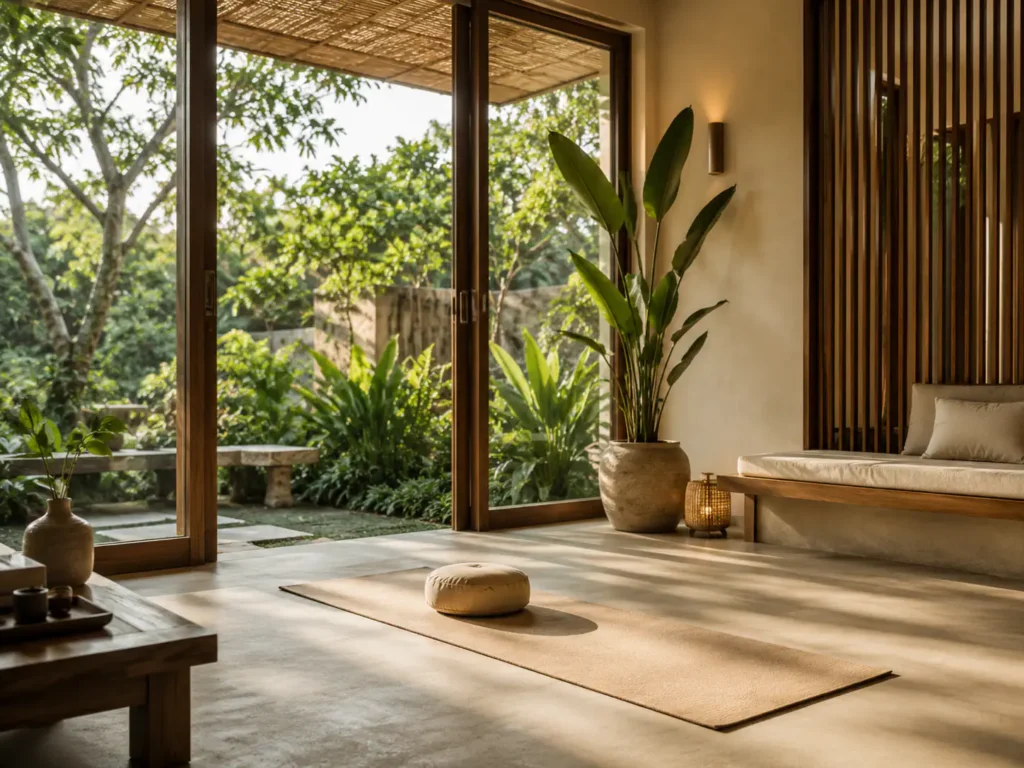
Quiet rooms, reduced stimulation, natural surroundings, lower noise exposure, and slower evening routines often become an important part of the experience.
Some wellness resorts specifically design their environments to encourage:
- nervous system calming
- reduced screen exposure
- circadian rhythm support
- deeper rest
Emotional Spaciousness
One important difference between a restorative wellness retreat and a conventional vacation is emotional atmosphere.
The best wellness retreats for stress recovery rarely feel rushed.
They allow space.
Space to slow down.
Space to feel less overstimulated.
Space to reconnect with the body.
Space to rest without guilt.
This emotional spaciousness is one reason many travelers search specifically for a burnout recovery retreat rather than a traditional resort holiday.
Types of Burnout Recovery Retreats in Thailand
Thailand offers many different retreat styles depending on what kind of restoration travelers are seeking.
Quiet Wellness Resorts
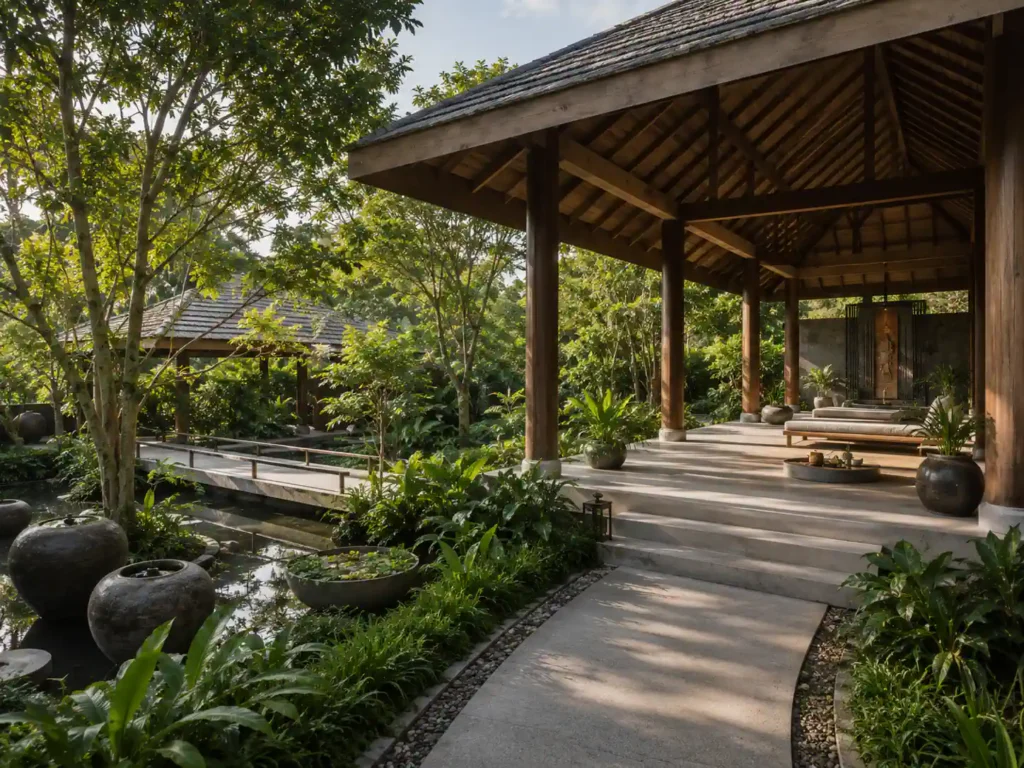
Quiet wellness resorts are often ideal for travelers who feel emotionally overstimulated.
These spaces usually emphasize:
- calm architecture
- nature immersion
- spa therapies
- low-noise environments
- slower pacing
- restorative routines
Travelers seeking peaceful and emotionally restorative environments may also appreciate our 9 Quiet Wellness Resorts Thailand Travelers Love for Deep Rest & Gentle Renewal (2026) guide.
Holistic Wellness Retreats
Holistic retreats often combine:
- mindfulness
- healthy meals
- yoga
- spa therapies
- emotional wellness support
- movement
- nervous system regulation practices
These experiences tend to focus on overall balance rather than one isolated wellness goal.
Readers interested in whole-body wellness approaches may also enjoy our Holistic Retreat Thailand 2026: A Gentle Guide to Whole-Body Renewal article.
Beach Wellness Retreats
For many people, coastal environments naturally support decompression.
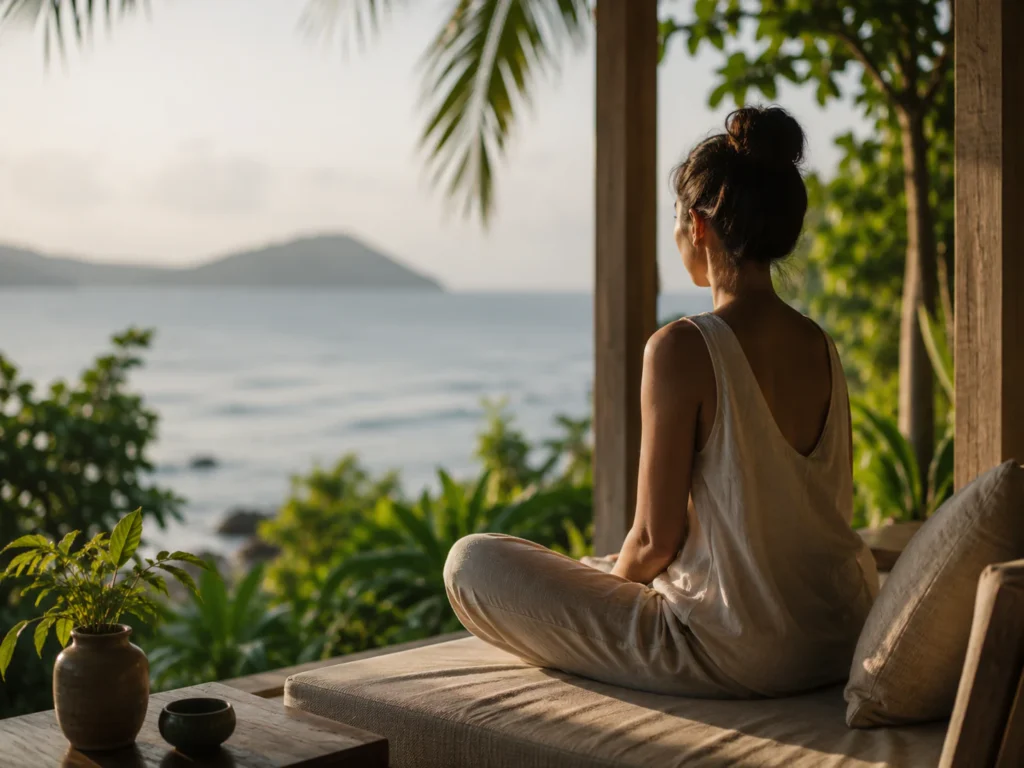
Ocean sounds, sea air, slower rhythms, and natural light can help create an emotionally softer environment for recovery.
Thailand’s islands remain particularly popular for this style of restorative travel.
Breathwork & Nervous System Recovery Retreats
Some wellness travelers are specifically drawn toward breathwork-oriented experiences.
These retreats often focus on:
- emotional release
- stress regulation
- nervous system calming
- mindfulness
- emotional awareness
Travelers interested in emotional regulation practices may also appreciate our Breathwork Retreat Thailand: A Gentle Path to Emotional Release guide.
Best Destinations in Thailand for Burnout Recovery
Koh Samui
Koh Samui remains one of Thailand’s strongest destinations for luxury wellness travel.
The island offers:
- beachfront wellness resorts
- integrated spa programs
- emotional wellness retreats
- quiet luxury environments
- slower island pacing
Many wellness travelers choose Koh Samui specifically for emotional decompression.
Chiang Mai
Chiang Mai attracts travelers seeking:
- mountain calm
- mindfulness retreats
- nature immersion
- yoga
- meditation
- slower wellness environments
The atmosphere in Northern Thailand often feels quieter and more reflective compared to larger tourist destinations.
Phuket
Although Phuket is widely known for tourism, quieter wellness-oriented areas still offer strong restorative experiences.
Several wellness resorts focus specifically on:
- spa recovery
- wellness programs
- mindfulness
- emotional wellness
- luxury recovery stays
Smaller Coastal Areas
Some travelers recovering from emotional exhaustion prefer smaller and quieter destinations outside major wellness hubs.
These locations often provide:
- fewer crowds
- slower pacing
- reduced stimulation
- stronger nature immersion
How to Choose the Right Burnout Recovery Retreat
Choosing the right burnout recovery retreat depends heavily on emotional needs and recovery style.
Consider Your Energy Level
Some travelers arrive deeply exhausted.
In these situations, highly structured wellness schedules may actually feel overwhelming.
A quieter wellness resort with flexible programming may feel more supportive.
Decide Between Silence or Social Wellness
Some people recover best in solitude.
Others benefit from gentle social connection.
Thailand offers both:
- silent retreats
- community-oriented wellness resorts
- private luxury recovery stays
- small-group holistic retreats
Look at Environmental Atmosphere
The environment itself matters.
When comparing retreats, consider:
- noise levels
- surrounding nature
- architectural calmness
- room privacy
- sleep environment
- pacing
- digital boundaries
Avoid Overly Aggressive Wellness Marketing
Some wellness experiences emphasize transformation too aggressively.
For travelers experiencing emotional exhaustion, softer and more supportive wellness environments are often more beneficial.
The best burnout recovery retreat experiences usually feel grounded, spacious, and emotionally safe.
Luxury Wellness Resorts vs Simpler Healing Retreats
Not every traveler wants the same recovery environment.
Some people feel most supported in luxury wellness resorts.
Others prefer simpler, nature-led retreat environments.
Luxury Wellness Resorts
These often include:
- spa facilities
- wellness cuisine
- movement programs
- personalized wellness consultations
- premium accommodations
- recovery-focused amenities
Luxury wellness experiences can help reduce stress by removing logistical pressure and providing comfort-oriented recovery environments.
Travelers seeking refined wellness experiences may also enjoy our Luxury Wellness Resorts Thailand (2026) — 9 Calm, Refined & Restorative Escapes guide.
Simpler Nature-Led Retreats
These retreats may focus more on:
- mindfulness
- silence
- meditation
- simplicity
- emotional regulation
- nature immersion
Some travelers recovering from burnout find minimal environments emotionally calming.
The ideal experience depends on personal preference.
Wellness Practices Commonly Included in Burnout Retreats
Many wellness resorts and retreats in Thailand integrate supportive wellness practices into the recovery experience.
Common elements often include:
Gentle Yoga
Slow movement practices can help reconnect attention to the body without excessive intensity.
Meditation
Meditation practices are often used to support emotional awareness, calmness, and nervous system regulation.
Spa Therapies
Massage, hydrotherapy, herbal therapies, and body treatments are frequently integrated into stress recovery programs.
Breathwork
Some retreats include guided breathing practices designed to encourage relaxation and emotional grounding.
Healthy Meals
Nourishing food becomes an important part of many wellness recovery experiences.
Several retreats emphasize:
- anti-inflammatory meals
- fresh ingredients
- balanced nutrition
- slower eating environments
- hydration support
Digital Detox Practices
Many burnout-oriented retreats encourage reduced screen exposure.
For some travelers, this becomes one of the most emotionally restorative aspects of the experience.
The Difference Between a Vacation and a Burnout Recovery Retreat
Not all vacations are restorative.
Some trips actually increase stimulation and exhaustion.
A burnout recovery retreat usually differs from a standard holiday in several ways.
Intention
The goal is not constant activity.
It is restoration.
Pacing
The atmosphere tends to feel slower and calmer.
Wellness Integration
Wellness practices are often woven naturally into the environment.
Emotional Recovery
Many retreats intentionally create space for nervous system regulation and emotional decompression.
Reduced Performance Pressure
The healthiest wellness environments usually avoid making recovery feel like another achievement task.
Why Quietness Matters in Burnout Recovery
Modern life often creates constant stimulation.
Notifications.
Traffic.
Noise.
Screens.
Deadlines.
Emotional multitasking.
One reason Thailand’s quieter wellness resorts feel so restorative is that they reduce environmental pressure.
Quietness itself can become therapeutic.
This does not necessarily mean total silence.
It means fewer demands competing for attention.
Many travelers describe this emotional shift as one of the most important parts of their burnout recovery retreat experience.

Wellness Travel and Nervous System Recovery
Conversations around nervous system regulation have become increasingly common in wellness spaces.
Many travelers now understand that chronic stress affects both body and emotional wellbeing.
This has increased interest in wellness environments that support:
- relaxation
- emotional regulation
- sleep quality
- restorative routines
- slower pacing
- mindfulness
A supportive wellness environment cannot eliminate all stress.
However, it can temporarily reduce overstimulation and create space for recovery.
How Long Should a Burnout Recovery Retreat Be?
The ideal retreat length varies considerably.
Some travelers benefit from:
- 3–5 day recovery stays
- weekend wellness resets
- one-week emotional recovery retreats
- longer slow wellness travel experiences
In many cases, consistency matters more than intensity.
A slower and gentler retreat often supports emotional recovery better than an overly ambitious schedule.
Is Thailand Safe for Solo Wellness Travelers?
Thailand remains one of the most established wellness travel destinations in Asia.
Many solo travelers choose Thailand for:
- wellness retreats
- emotional recovery travel
- yoga retreats
- mindfulness experiences
- spa-focused travel
However, travelers should still research:
- wellness provider reputation
- retreat reviews
- accommodation quality
- transportation planning
- personal wellness needs
Choosing established wellness resorts and professionally managed retreats generally provides a smoother experience.
Burnout Recovery and Emotional Healing
For some travelers, burnout is deeply emotional.
The body may feel tired.
But the deeper issue may involve emotional depletion, chronic overwhelm, or long-term stress accumulation.
This is one reason emotional healing retreats and holistic wellness experiences continue growing in popularity.
The best wellness environments often avoid dramatic promises.
Instead, they focus on:
- emotional safety
- gentle support
- calm pacing
- rest
- mindfulness
- supportive routines
- spaciousness
That softer approach aligns strongly with what many emotionally exhausted travelers are actually seeking.

Final Thoughts
A thoughtfully designed burnout recovery retreat is not about escaping life permanently.
It is about creating temporary conditions where rest, emotional clarity, and nervous system recovery become more possible.
Thailand continues to stand out as one of the world’s most naturally restorative wellness destinations for this kind of experience.
Whether travelers are seeking:
- quiet wellness resorts
- emotional healing retreats
- luxury recovery environments
- mindfulness-focused escapes
- restorative island stays
- nervous system reset experiences
Thailand offers a wide range of supportive wellness spaces designed for slower, gentler recovery.
The best retreats rarely feel performative.
They simply create space.
And for many modern travelers experiencing emotional exhaustion, that space can feel profoundly restorative.
Trusted Wellness Perspectives
According to multiple well-documented wellness and health perspectives, chronic stress, emotional exhaustion, sleep disruption, and nervous system overload can significantly affect overall wellbeing and long-term recovery capacity. Insights on stress regulation and emotional recovery from Cleveland Clinic, broader wellness and mental wellbeing guidance from the World Health Organization (WHO), and integrative health and stress management perspectives from the National Institutes of Health (NIH) all help reinforce the growing importance of restorative environments, mindfulness practices, sleep recovery, and emotionally supportive wellness experiences in modern wellbeing travel.
Subtle reminder: wellness travel should complement — not replace — professional medical or mental health support when needed.
Continue Your Wellness Journey
- Healing Retreat Thailand 2026: Gentle Emotional Healing in Nature-Led Retreats
- Silent Retreat Thailand 2026: A Gentle Guide to Finding Stillness
- Holistic Retreat Thailand 2026: A Gentle Guide to Whole-Body Renewal
- 9 Quiet Wellness Resorts Thailand Travelers Love for Deep Rest & Gentle Renewal (2026)
- Luxury Wellness Resorts Thailand (2026) — 9 Calm, Refined & Restorative Escapes
- Breathwork Retreat Thailand: A Gentle Path to Emotional Release